(425) 318-7912
 MY ACCOUNT
 425-318-7912

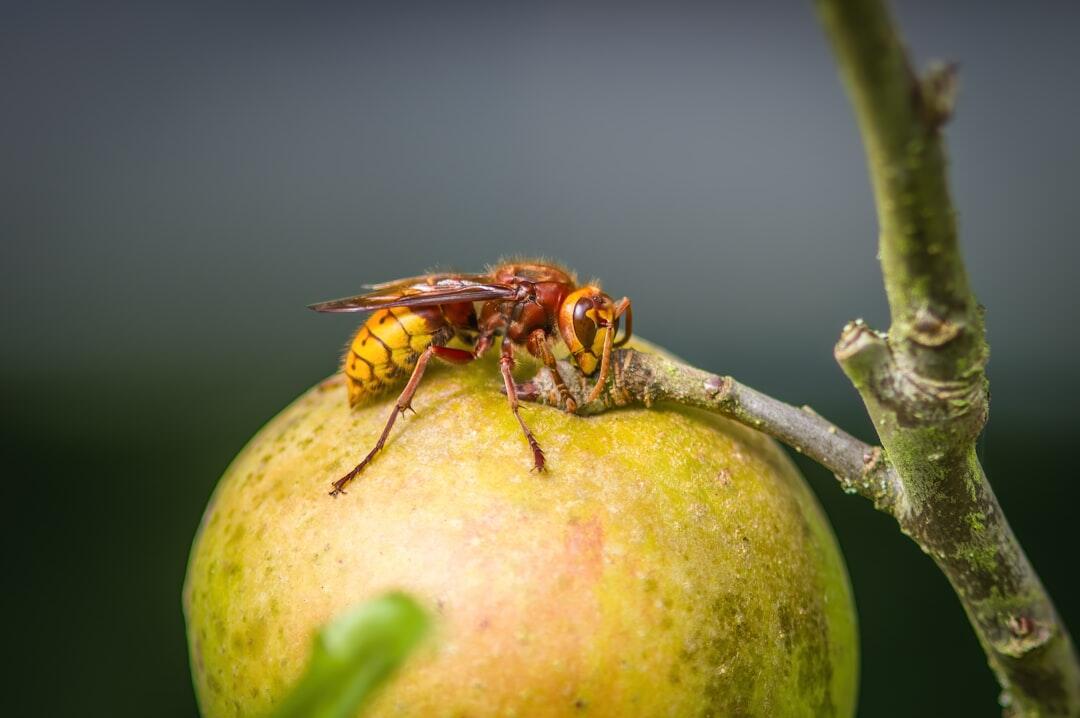
A key question many homeowners face is, ‘Where do fruit flies come from?’ These tiny pests hatch from microscopic eggs on fermenting fruits, vegetables, and other moist organic matter in your home. Once inside, they can quickly multiply in damp areas like drains, trash bins, and compost containers.
APHIS reports that in 2025, the U.S. Department of Agriculture was granted $129.2 million in emergency funding to combat exotic fruit fly outbreaks. This funding reflects the scale and impact of fruit fly infestations. When you understand where fruit flies come from, you can remove breeding sites and stop the problem at its source.
Where Do Fruit Flies Come from in Your House?
Fruit flies are usually introduced, not created indoors. Common entry points include:
- Fresh produce
- Open windows and doors
- Grocery bags and packaging
Eggs are often already present on fruits and vegetables when you bring them home. Once indoors, warmer temperatures accelerate hatching. Leaving produce out or keeping entry points open allows fruit flies to multiply rapidly.
Why Are Fruit Flies Suddenly Appearing in My Kitchen?
Kitchens provide ideal feeding and breeding conditions. You may have:
- Ripening fruit on countertops
- Food residue in trash bins
- Unrinsed bottles in recycling
- Minor spills under appliances
These sources release fermentation odors that attract adult flies. Even small amounts of organic residue can sustain larvae. Without regular sanitation, activity increases within days.
Where Do Fruit Flies Lay Their Eggs?
Egg-laying occurs directly on moist, fermenting material. Typical fly breeding sites include:
- Overripe fruit surfaces
- Drain buildup
- Garbage disposal residue
- Damp cleaning tools
Larvae require moisture and nutrients immediately after hatching. Hidden buildup inside pipes often goes unnoticed. Removing visible fruit alone will not eliminate these concealed sites.
How Breeding Sites Become Active Insect Infestations
Fruit flies develop rapidly in warm, nutrient-rich environments. Understanding their lifecycle explains how small egg deposits become full infestations quickly. Their lifecycle includes:
- Egg stage
- Larval feeding phase
- Pupal development
- Adult emergence
Eggs hatch within 24 to 30 hours under favorable conditions. Adults can reproduce within days of emerging, creating overlapping generations.
This rapid cycle turns unnoticed breeding sites into visible infestations in a very short time. Early detection of these sites is critical to preventing large populations from establishing.
Fruit Fly Prevention: Removing the Source

(Cherry chomping fruit fly larvae, image by cbp.gov)
Effective fruit fly prevention begins by eliminating the conditions that allow them to breed. Prioritize:
- Refrigerating produce
- Discarding damaged items
- Sealing and emptying trash frequently
- Rinsing recyclables
- Cleaning drains weekly
These steps interrupt the lifecycle at its origin. Consistent sanitation helps prevent re-establishment and reduces the need for reactive measures.
Simply killing adult flies without addressing breeding sources will not solve the problem. Maintaining these habits keeps your home less attractive to future infestations.
Long-Term Home Pest Control Measures
Sustainable home pest control requires routine monitoring and proactive habits. Focus on:
- Inspecting under appliances
- Maintaining dry sink areas
- Managing compost carefully
- Checking for hidden moisture
Traps help measure activity, but do not eliminate the source. Persistent flies may indicate hidden breeding spots that need attention. Combining monitoring with targeted interventions ensures effective kitchen pest solutions and reduces the chance of future infestations.
When Involving a Pest Control Company Becomes Necessary
Sometimes, fruit fly problems go beyond what routine cleaning and fruit fly prevention can handle. Professional help may be required to address persistent or widespread infestations. Situations where calling an expert is wise include:
- Flies return repeatedly
- Infestation in multiple areas
- Other insects or structural issues
A licensed home pest control company can pinpoint hidden breeding sites and underlying causes. They have specialized tools and treatments not available for typical household use. Acting early prevents infestations from worsening and reduces the risk of long-term problems.
Choosing the Right Fruit Fly Control Company
Not all pest control companies handle fruit fly infestations effectively. Selecting the right company ensures faster, safer, and long-term results. Key factors to consider include:
- Experience with fruit flies
- Licensed and certified technicians
- Safe treatment methods
- Transparent pricing and guarantees
A reputable company will assess your home thoroughly before recommending solutions. They can provide guidance on ongoing fruit fly prevention and help you avoid repeat infestations. Choosing the right team saves time, money, and stress while keeping your home protected.
At Eastside Exterminators, we combine years of experience with safe, effective treatments. Our team works with you to create a long-term plan that keeps fruit flies out for good.
Frequently Asked Questions (FAQs)
Are Fruit Flies Harmful to Humans?
Fruit flies do not bite or directly transmit diseases. However, they can contaminate food with bacteria from unsanitary surfaces.
This contamination can pose minor health risks if ingested. Maintaining clean areas limits these risks and keeps your home safer.
How Long Does It Take to Eliminate Fruit Flies?
Eliminating fruit flies depends on removing breeding sources and controlling adults. Small infestations can be reduced in a few days with proper cleaning.
Larger infestations may take 2 to 3 weeks to fully resolve. Consistent monitoring and addressing all entry points ensure complete elimination.
Can Fruit Flies Survive Winter in Your Home?
Yes, fruit flies can survive indoors during winter. Warm temperatures, food sources, and moisture in your home allow them to remain active.
They may slow reproduction but can continue laying eggs. Maintaining clean, dry environments helps prevent infestations year-round.
Are There Natural Ways to Repel Fruit Flies?
Yes, essential oils like lemongrass, peppermint, and eucalyptus can deter adult flies. Apple cider vinegar traps also help reduce numbers.
These methods work best when combined with proper sanitation. Using natural deterrents can complement fruit fly prevention efforts.
Where Do Fruit Flies Come From? Understand the Risks and Protect Your Home
Where do fruit flies come from? Understanding the source is key to preventing infestations. Identifying entry points, breeding sites, and attractants lets you act early. By partnering with the right fruit fly control company, you can protect your home effectively.
At Eastside Exterminators, we have been protecting families across the Greater Seattle area since 1969. Our licensed technicians handle a wide range of pests, including rodents, ants, spiders, wasps, and fruit flies, using expert pest control and innovative SMART monitoring solutions.
Led by Deanna Townsend and Alex Altizer, we combine family values with cutting-edge technology to keep your home safe. Contact us today to protect your home.