(425) 318-7912
 MY ACCOUNT
 425-318-7912

As temperatures drop and daylight shortens, many pests undergo a behavioral shift. Just as people prepare for colder months with coats and heating, certain insects begin searching for shelter. These pests, known as Seasonal Invaders, enter homes not to feed or reproduce but to survive the winter in protected environments.
If you’ve noticed insects clustering on the sunny side of your house in autumn, you’ve already seen this process in action.
What Are Seasonal Invaders?
Seasonal Invaders are a group of pests that enter structures primarily during late fall. Unlike ants, cockroaches, or rodents, they are not motivated by food sources inside. Instead, they seek out warm, stable environments where they can overwinter—a period of dormancy similar to hibernation.
Once indoors, these pests may remain hidden within wall voids, attics, or insulation until warmer weather returns. On unseasonably warm days, some may mistakenly emerge into living spaces, often appearing near windows or light sources as they attempt to return outside.
Common Seasonal Invaders in the Pacific Northwest
Several pests are frequently encountered in homes across the Pacific Northwest during fall and winter:
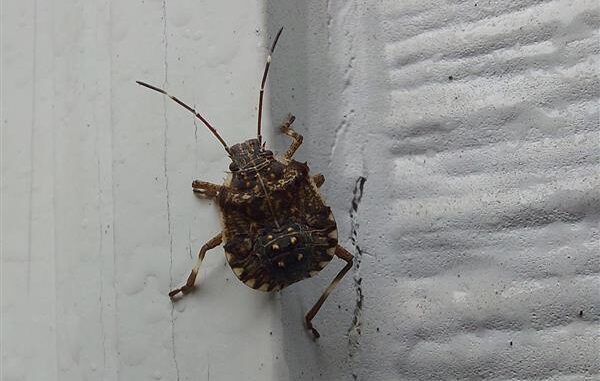
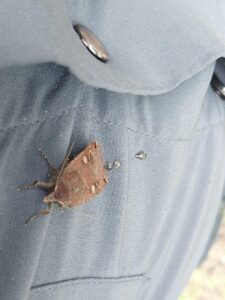
- Brown Marmorated Stink Bugs – Shield-shaped insects that emit a strong odor when disturbed.
- Boxelder Bugs – Black with red-orange markings, often clustering in large numbers on sunny siding.
- Asian Lady Beetles – Frequently confused with native ladybugs, these beetles invade in groups and can bite when handled.
- Western Conifer Seed Bugs – Elongated insects with leaf-like hind legs; less odorous than stink bugs but equally prone to invading homes.
While these pests differ in appearance, their behavior is consistent: seeking out shelter when outdoor conditions change.
Why Fall Is the Critical Season
Seasonal Invaders typically begin moving indoors between late September and November. The transition is triggered by:
- Temperature drops – Colder nights signal the need for shelter.
- Shortened daylight – Reduced sunlight impacts their activity cycles.
- Sun-warmed walls – South- and west-facing walls attract large numbers before entry.
Once they gain access through gaps, vents, or damaged screens, infestations become difficult to manage without professional treatment.
Prevention Strategies for Homeowners
Reducing entry points and limiting attractants are the most effective steps for prevention. Key strategies include:
- Sealing cracks and gaps around siding, windows, and doors.
- Replacing or repairing damaged window and door screens.
- Installing weather-stripping and door sweeps.
- Trimming vegetation and tree branches that contact the home.
- Minimizing outdoor lighting near entry points during peak activity.
Preventive treatments applied to the exterior of the home in late summer, or early fall are often the most reliable solution.
When to Consider Professional Help
If Seasonal Invaders have already gained entry, removal becomes more complex. While a vacuum or direct disposal can address individual sightings, large numbers within wall voids or attic spaces usually require targeted professional treatment. Licensed pest management professionals can identify entry points, apply preventive barriers, and provide safe, effective solutions tailored to each structure.
In summary: Seasonal Invaders such as stink bugs, boxelder bugs, and Asian lady beetles are not harmful but can quickly become a nuisance once indoors. Understanding their behavior and acting before they enter is the best way to avoid an ongoing problem throughout fall and winter.