(425) 318-7912
 MY ACCOUNT
 425-318-7912
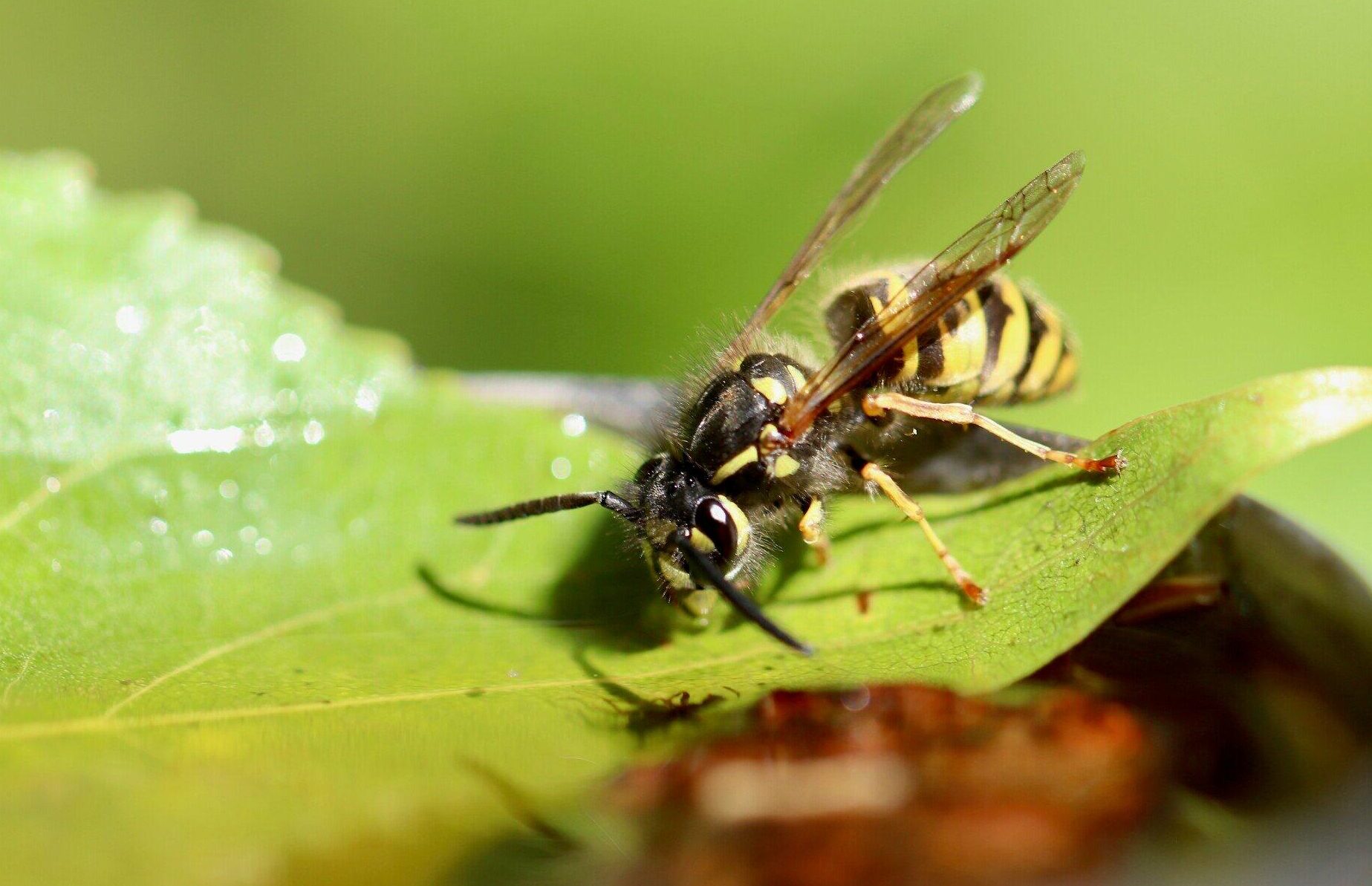
Natural wasp activity can often be reduced by making your property less attractive to nesting insects and removing common food and water sources. However, if nests continue to appear or wasps become aggressive, wasp control services offer the safest and most effective way to protect your home and family.
Natural wasps help control other insects, but they can become a serious safety concern when they nest close to your home. People with insect sting allergies face the greatest risk from wasps, bees, and hornets, according to the Centers for Disease Control and Prevention (CDC).
A few simple changes can make your property less inviting to wasps before they establish a nest. Read on to learn natural ways to reduce wasp activity and when wasp control services are the safest option.
What Attracts Wasps to Your Property?
Wasps look for three things: food, water, and shelter. Sweet drinks, uncovered trash, pet food, and small gaps in sheds or rooflines all create ideal nesting conditions.
Removing those attractions early can make your yard far less appealing. Regular inspections also help you spot small nests before they grow into a larger problem.
Can You Naturally Keep Wasps Away?
Yes, natural prevention methods can reduce wasp activity when used consistently. All of the following make your property less inviting:
- Cleaning outdoor eating areas
- Sealing entry points
- Trimming overgrown vegetation
- Removing standing water
Natural deterrents work best before a colony becomes established. If you continue seeing large numbers of wasps or discover an active nest, professional removal is usually the safest solution.
Keep Food and Trash Under Control
Wasps search for easy meals throughout the warmer months. Open garbage bins, sugary drinks, fallen fruit, and pet food can quickly attract scouting insects to your yard.
Cutting off those food sources is one of the easiest ways to reduce activity. A clean outdoor space gives wasps fewer reasons to stay and lowers the chance of a nest developing nearby.
Eliminate Nesting Opportunities
Wasps prefer quiet, sheltered spaces that stay undisturbed. Checking your property every few weeks makes it easier to catch new nests before they become larger.
Focus on areas such as:
- Roof eaves
- Deck undersides
- Garden sheds
- Fence gaps
- Attic vents
If you discover an active nest, avoid disturbing it yourself. Professional pest control teams have the equipment and experience to remove nests safely.
Manage Your Yard Throughout the Season
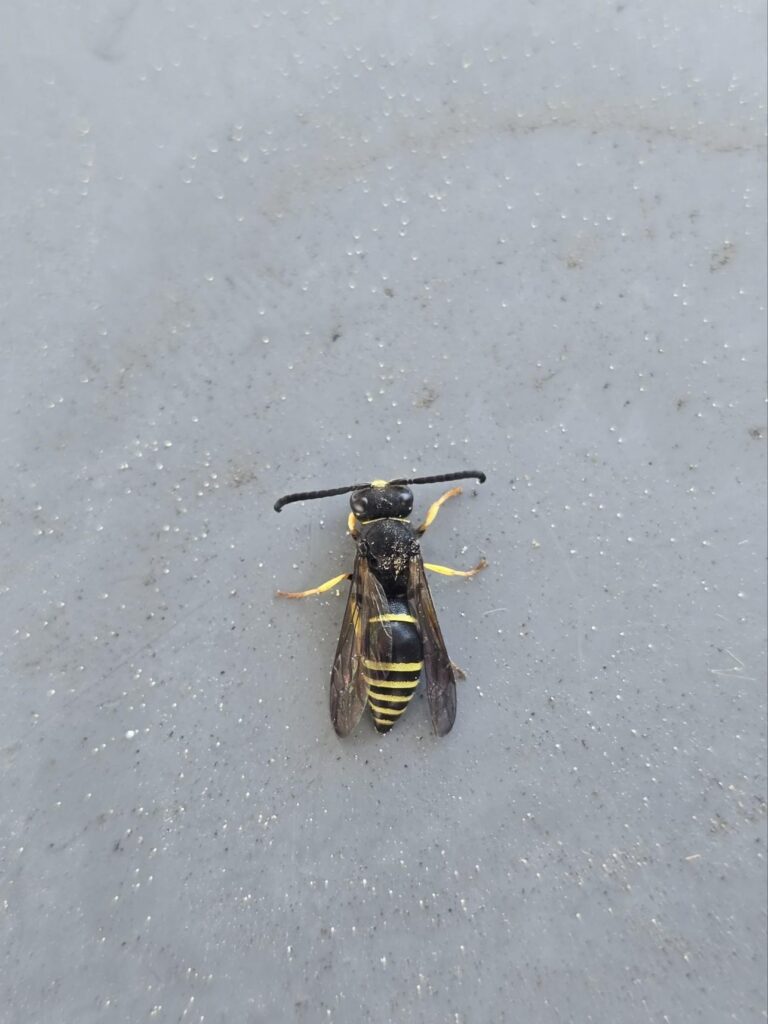
Routine yard maintenance makes your property far less attractive to wasps. Trim shrubs away from your home, remove piles of debris, and fix leaking outdoor taps that create water sources.
Small maintenance tasks often prevent larger pest problems later. If wasp numbers continue to grow despite your efforts, consider home pest management from experienced professionals before the infestation worsens.
Know When to Call the Experts
Natural prevention works well for occasional wasps, but established nests require a different approach. Large colonies become increasingly defensive, making DIY removal risky for homeowners.
Wasp removal experts know how to locate hidden nests, remove them safely, and recommend long-term prevention methods. Their safe wasp extermination process helps eliminate active colonies while reducing the chance of future wasp infestation solutions becoming necessary.
Prevent Future Wasp Problems
Stopping wasps from returning takes ongoing attention rather than a single treatment. Seasonal inspections, prompt repairs, and good outdoor hygiene all help keep nesting opportunities to a minimum.
Watch for these warning signs:
- Frequent wasps
- New nest starts
- Chewed wood
- Heavy activity
- Entry gaps
Consistent prevention is the best long-term defense and helps reduce the need for repeated wasp control services in future seasons.
Seal Entry Points Around Your Home
Small openings around your home can give wasps easy access to sheltered nesting areas. Taking time to seal cracks, repair damaged screens, and close gaps around utility lines helps prevent colonies from settling where they are difficult to reach.
Walk around your property at the start of each season and look for new openings. Blocking entry points before nesting begins is one of the simplest ways to keep wasps outside where they belong.
Frequently Asked Questions
Are Wasps Beneficial to the Environment?
Yes. Wasps help control many garden pests by feeding on insects such as caterpillars and flies. They also play a small role in pollination while searching for nectar.
Problems usually begin when a nest is built close to homes, decks, or other high-traffic areas.
What Smells Do Wasps Dislike?
Some homeowners use peppermint, clove, or lemongrass oils as natural deterrents. While these scents may discourage some wasps, they are unlikely to eliminate an established nest.
Natural repellents work best as part of a broader prevention plan.
Is It Safe to Remove a Wasp Nest Yourself?
Small, inactive nests may be removed safely if they are completely abandoned. Active nests, especially large ones, can trigger aggressive swarming when disturbed.
Professional removal is the safest option for occupied nests or nests located in difficult-to-reach areas.
When Is Wasp Activity at Its Highest?
Wasp activity typically increases during late spring and summer as colonies expand. It often peaks in late summer and early fall when nests contain the highest number of workers.
Regular inspections during these months can help you spot problems before they become severe.
Do Wasps Return to the Same Nest Every Year?
No. Most wasp species do not reuse old nests after winter. Instead, a new queen builds a fresh nest each spring in a protected location.
Even though the old nest is abandoned, the same area may attract new queens if it still offers good shelter and food sources. Removing old nests and reducing nesting opportunities can help lower the chances of wasps returning.
Reduce Risks with Professional Wasp Control Services
Natural prevention can greatly reduce wasp activity, but established nests often require expert treatment to eliminate them safely. Combining good property maintenance with timely wasp control services helps protect your home, your family, and your outdoor spaces throughout the season.
We believe pest control should do more than solve today’s problem; it should help protect your home for years to come. Since 1969, Eastside Exterminators has combined decades of local experience with eco-friendly solutions, advanced SMART pest monitoring technology, and highly trained technicians to keep Seattle-area families protected.
Contact us today to schedule your inspection and discover why generations of homeowners have trusted Eastside Exterminators to protect their homes like family.