(425) 318-7912
 MY ACCOUNT
 425-318-7912
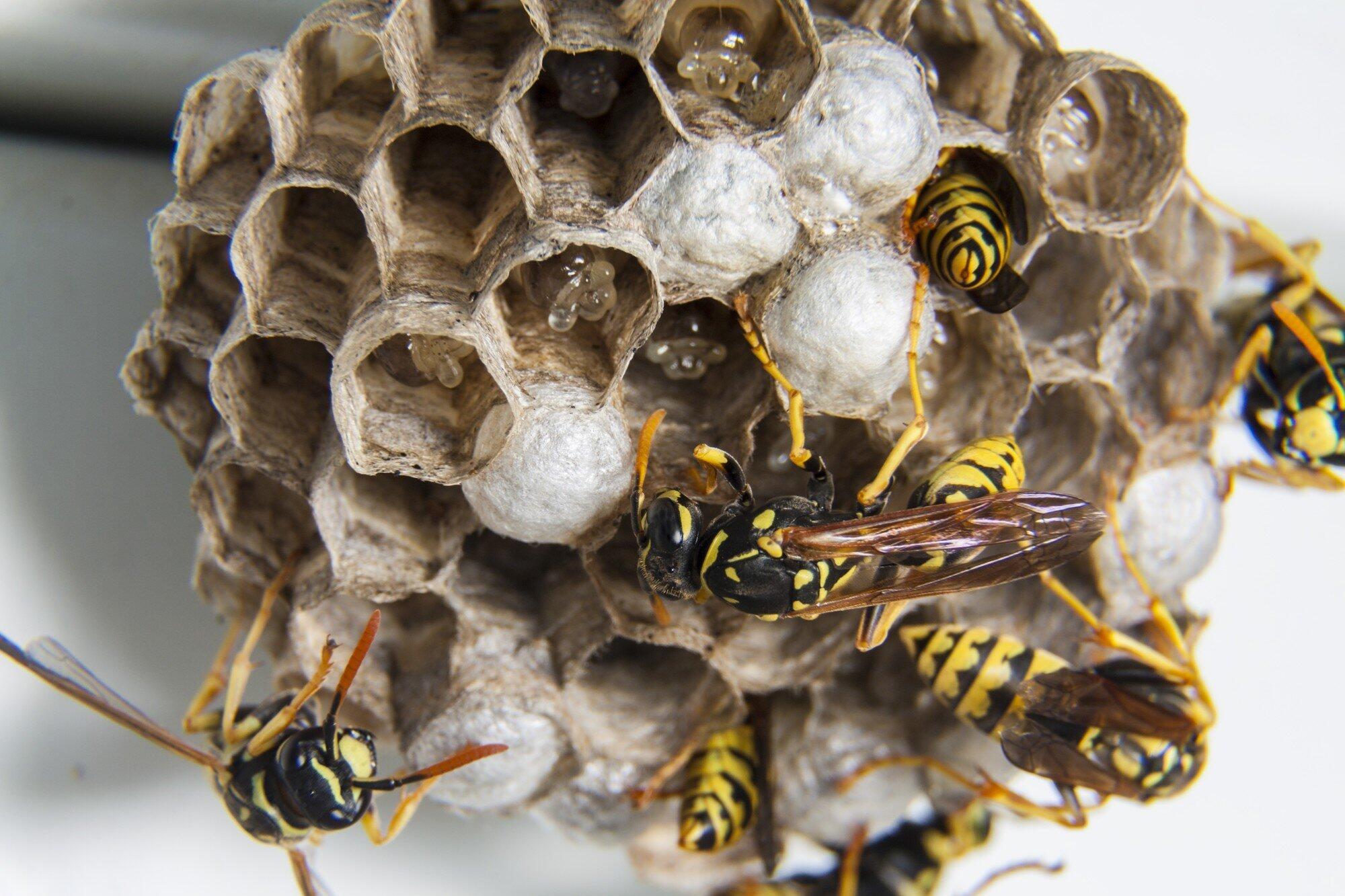
A wasp nest should never be ignored, especially once wasps begin circling entryways, decks, rooflines, or backyard gathering areas. The safest approach is to keep your distance, avoid disturbing the nest, and contact trained professionals if activity increases. Quick reactions and DIY shortcuts often make the problem worse, leading to aggressive swarming and painful stings.
You hear buzzing near the porch light while carrying groceries inside, and suddenly your quiet Seattle evening feels a lot less relaxing. According to the CDC, bees, wasps, and hornets become far more active during warmer months, especially around roof eaves, trees, and outdoor living spaces.
Wasps are territorial, fast-tempered, and surprisingly stubborn once they settle in around a home.
Why Do Wasps Build Nests Around Homes?
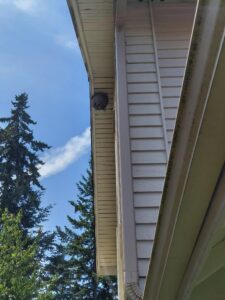
Wasps look for shelter, food sources, and quiet, protected spaces when building nests around residential properties. Seattle’s mild temperatures and damp conditions create ideal environments for many species during spring and summer.
You may find wasp nests in areas such as:
- Roof eaves
- Attics
- Sheds
- Deck railings
- Wall voids
- Trees and shrubs
Most homeowners do not notice activity until the colony grows larger and movement becomes harder to ignore. By that point, disturbing the nest without a plan can trigger aggressive defensive behavior.
Signs You May Have a Wasp Nest Nearby
Wasps rarely stay hidden forever. Their activity tends to increase quickly once a colony expands
Common warning signs include:
- Frequent buzzing near one area
- Wasps entering small gaps repeatedly
- Papery material hanging under roof edges
- Visible nests in trees or corners
- Increased wasp activity around trash or food
The Dos of Wasp Nest Removal
When dealing with wasps, patience matters more than bravery. A careful approach reduces risk and helps prevent unnecessary stings.
Keep Your Distance
The first rule of safety around wasp nests is simple: stay back. Most wasps become aggressive when they feel threatened, especially if vibrations or sudden movement disturb the colony.
The University of Minnesota Extension notes that nests near walkways, doors, and other high-traffic areas carry a higher sting risk for homeowners.
Try to:
- Avoid standing directly beneath nests
- Keep children and pets away
- Use caution when mowing or trimming nearby
- Watch for increased daytime activity
Before taking any action, watch the nest from a safe distance.
Wear Protective Clothing If Necessary
If you absolutely must be near a nest temporarily, cover exposed skin completely. Thick clothing reduces the chance of stings during accidental encounters.
This does not make nest removal safe for homeowners, but it may help during brief accidental exposure.
Schedule Professional Pest Services
The safest option for large or active nests is professional treatment. Experienced technicians understand how to handle wasps without increasing the danger to your family.
Professional services typically include:
- Property inspection
- Species identification
- Targeted treatment plans
- Nest removal when appropriate
- Monitoring and prevention recommendations
For homeowners dealing with repeated activity, preventive pest management helps reduce future nesting around the property.
The Don’ts of Handling a Wasp Nest
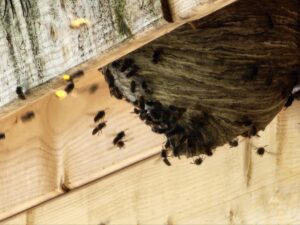
People tend to panic around stinging insects. Unfortunately, panic usually leads to bad decisions.
Do Not Spray Random Chemicals
Using random household sprays or flammable chemicals rarely solves the issue completely. It often angers the colony instead.
Avoid using:
- Gasoline
- Bleach
- Fire
- Pressure washers
- Indoor cleaning products
These methods increase injury risks and may damage your property.
Do Not Knock Down the Nest
One of the worst mistakes homeowners make is physically removing the nest before treatment. Hitting or knocking down a nest immediately triggers defensive swarming.
Wasps do not negotiate once they think the nest is under attack. Even abandoned-looking nests may still contain live insects.
Do Not Ignore Early Activity
A small nest in early spring can grow significantly by late summer. Delaying action gives colonies time to expand and spread closer to high-traffic areas.
Early intervention supports:
- Better safety outcomes
- Lower treatment complexity
- Reduced sting risks
- Improved long-term prevention
If you notice repeated wasp activity near your home, scheduling service early is often the smarter move.
Do Not Swat at Wasps
Swatting increases agitation and may trigger nearby wasps to defend the colony. Instead try:
- Move away slowly
- Avoid sudden movements
- Stay calm outdoors
- Keep food and drinks covered
Penn State Extension recommends avoiding sudden movements around active nests because swatting often triggers defensive swarming behavior among social wasps.
These habits support preventing wasp stings during outdoor activities.
How Do You Reduce Future Wasp Activity?
Long-term prevention matters just as much as treatment. Once a nest is removed, homeowners should focus on making the property less attractive to future colonies.
Helpful prevention steps include:
- Sealing gaps around siding and vents
- Keeping trash containers tightly closed
- Cleaning outdoor dining areas
- Removing fallen fruit from yards
- Trimming dense vegetation near the home
Regular inspections also help identify small nests before they become larger problems. Homeowners dealing with broader seasonal pest concerns may also benefit from ongoing exterior protection services.
Frequently Asked Questions
How Dangerous Is a Wasp Nest Near a Home?
A nearby nest becomes dangerous when wasps feel threatened or when people unknowingly enter high-activity areas. Stings can cause pain, swelling, and severe allergic reactions for some individuals. According to the CDC, stinging insects send thousands of people to emergency rooms each year.
When Is the Best Time to Remove a Wasp Nest?
Early morning or evening is generally safer because wasp activity slows during cooler temperatures. However, large nests or difficult locations should still be handled by trained technicians using proper protective equipment.
Can Wasps Return After Nest Removal?
Yes. Wasps may return if food sources, shelter, or nesting opportunities remain available around your home. Ongoing inspections and professional wasp control help reduce the chances of future infestations.
Smart Wasp Nest Handling Starts With Staying Safe
Handling a wasp nest the wrong way can quickly turn a small issue into a dangerous situation. Staying calm, avoiding direct contact, recognizing warning signs early, and seeking professional help all reduce the risk of stings and property hazards.
Eastside Exterminators has provided trusted pest management solutions throughout the Seattle area for more than 50 years. Our team uses Integrated Pest Management strategies to safely address wasps, rodents, ants, spiders, and other common Pacific Northwest pests.
Contact us today to help protect your home and outdoor spaces from unwanted wasp activity.