(425) 318-7912
 MY ACCOUNT
 425-318-7912
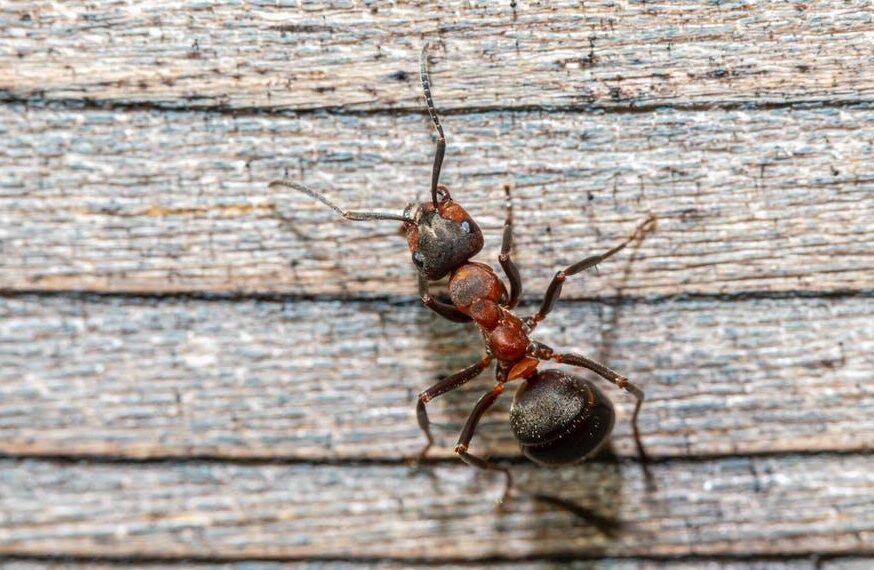
Moisture ants are a warning sign of excess moisture in your home, and their presence often points to conditions that can weaken wood, damage insulation, and compromise structural components. While these ants do not eat sound wood, they thrive in damp, decaying materials. So, they’re a strong indicator of hidden moisture problems that can worsen over time if left unaddressed.
Have you ever noticed ants appearing in areas of your home that feel damp or musty? In many cases, moisture ants move indoors because they are drawn to wet wood, condensation, or poorly ventilated spaces that already pose a risk to your home’s structure.
Today, we’re taking a closer look at why moisture ants are more than just a pest issue, how their presence connects to moisture-related damage, and more.
Are Moisture Ants Harmful?
Moisture ants can pose a real risk to a home, even though they do not attack sound wood in the way termites do. They’re drawn to wet or decaying materials, not dry and healthy wood. When they appear indoors, it often means moisture has already built up inside walls, floors, or crawl spaces.
A moisture ant infestation can point to leaks, condensation, or poor ventilation that may not yet show visible damage. Those damp conditions weaken building materials over time and create ongoing risk for the structure.
Moisture ants tunnel through softened wood to build nests. That activity does not cause the initial damage, yet it can make weakened framing, trim, or insulation break down faster. As damp wood loses strength, the home becomes more vulnerable to further deterioration.
Unchecked moisture problems linked to moisture ants can affect beams, subfloors, and insulation. Addressing the ants without moisture control limits home protection and slows damage prevention efforts.
How Long Do Moisture Ants Live?
Moisture ants can live longer than many homeowners expect, which helps explain why infestations often persist. Their lifespan depends on their role within the colony and the conditions inside the home.
Worker moisture ants usually live for several months, though some may survive close to a year in stable environments. Queens live much longer. A single queen can survive for many years and continue producing new workers during that time.
How Moisture Ants Exploit Moisture-Damaged Structures
Moisture-damaged areas create ideal nesting sites for ants that depend on damp conditions. There are three main ways moisture ants exploit moisture-damaged structures:
- Softened wood fibers
- Hidden voids and cavities
- Stable damp environments
Softened Wood Fibers
Moisture ants move into wood that has absorbed water and started to soften.
Leaks, condensation, or long-term humidity can cause wood fibers to weaken. Moisture ants tunnel through that material with little resistance. Over time, their nesting activity speeds up deterioration and increases repair concerns.
Hidden Voids and Cavities
Wall voids, crawl spaces, and areas behind insulation often trap moisture without obvious signs. Moisture ants use those spaces to build nests away from view. A moisture ant infestation can grow for long periods before detection, which limits early home protection efforts.
Stable Damp Environments
Consistent moisture supports colony growth and survival. Damp framing, wet insulation, and poorly ventilated spaces allow moisture ants to remain active and spread. Without moisture control, damage prevention becomes far more difficult.
Structural Risks Linked to Moisture Ant Infestations
Moisture ants do not cause structural damage on their own, yet their presence often lines up with serious building concerns.
Compromised Insulation Performance
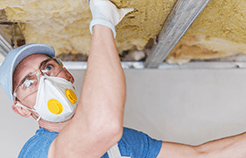
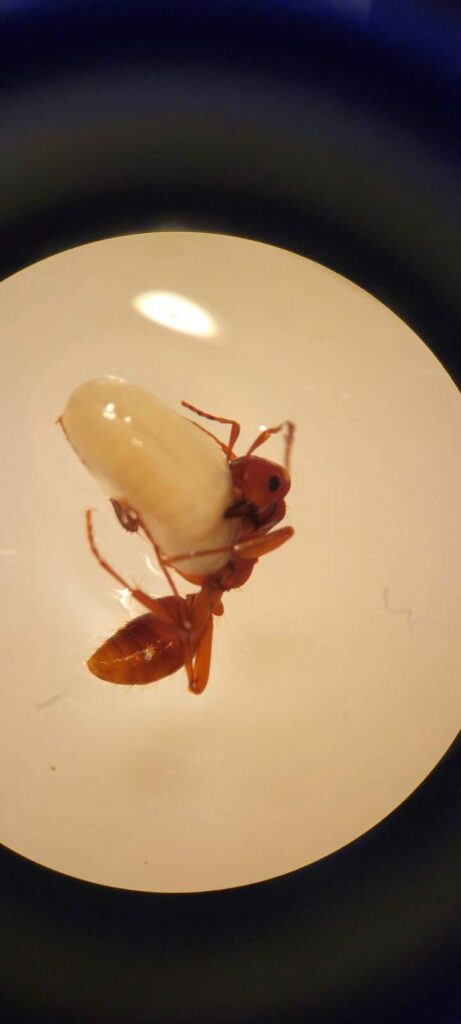
Moisture ants often nest near or inside insulation found in walls and crawl spaces. Their movement can compress insulation and reduce its ability to regulate temperature. Damp insulation loses effectiveness and may hold moisture against nearby wood, which limits home protection efforts.
Increased Exposure to Secondary Damage
Persistent moisture linked to moisture ant infestation can invite mold growth and other pests. That combination places added stress on structural materials. Effective damage prevention depends on addressing moisture conditions before layered problems develop.
When Professional Pest Control Solutions Are Necessary
Pest control solutions offered by professionals focus on locating nests, identifying moisture sources, and limiting conditions that support ant activity. Exterminator services rely on targeted treatments that reach areas homeowners cannot access safely.
Professionals assess how moisture affects the structure and how ants move through the home. That combined approach reduces repeated infestations and supports long-term home protection.
When moisture ants continue to return or spread, professional support helps control the problem at its source rather than masking visible activity.
Frequently Asked Questions
What Causes Moisture Ants to Appear Indoors?
Moisture ants usually enter homes where damp conditions already exist. Leaking pipes, roof damage, clogged gutters, and poor ventilation often raise moisture levels.
Landscaping that traps water near foundations can play a role. Those conditions create nesting areas that support long-term ant activity and increase moisture ant infestation risks.
Can Moisture Ants Spread to Other Areas of the Home?
Moisture ants can expand their colonies when nearby areas provide similar damp conditions. Wall voids, basements, and crawl spaces often connect through hidden pathways.
As colonies grow, ants may form satellite nests. That spread increases the chance of wider structural exposure and complicates damage prevention.
Are Moisture Ants Active Year-Round?
Outdoor activity often slows during colder months, yet indoor colonies can remain active. Heated spaces with steady moisture allow ants to survive through winter. Homeowners may notice fewer ants, though colonies often remain hidden and continue nesting until conditions change.
Does Insurance Cover Damage Caused by Moisture Ants?
Insurance coverage varies and often excludes damage tied to maintenance issues. Moisture-related deterioration linked to ants may not qualify for coverage. Reviewing policy terms helps homeowners understand financial responsibility tied to moisture ant infestation and related repairs.
Pest Control Success
Moisture ants point to excess moisture that weakens wood, disrupts insulation, and threatens structural stability.
At Eastside Exterminators, our team understands the Pacific Northwest’s unique pest pressures and treats every home with care, respect, and integrity. While we’re supported by the global strength of Anticimex, our commitment remains local, family-driven, and focused on protecting homes with trusted expertise and modern technology.
Get in touch today to find out how we can help with your ant issues!