(425) 318-7912
 MY ACCOUNT
 425-318-7912

A thorough rodent control inspection is the fastest way to identify rodent infestations, locate entry points, and stop damage before it spreads. Regular inspections also help homeowners prevent rodent entry and avoid long-term structural and health risks.
About 13 percent of homes in the United States, which is more than one in every ten, currently have rodents living inside them, according to national mapping data published by Newsweek.
This means that rodents are not rare pests. They are active, destructive, and highly adaptive. Seattle’s damp climate and older housing stock create perfect conditions for rats and mice to thrive.
Rodents do not wait for an invitation. They find openings, build nests, contaminate food, and chew through insulation and wiring. A hidden infestation can grow large before obvious signs appear.
A professional rodent control inspection changes that outcome. It allows homeowners to detect problems early and reduce health risks using targeted pest control methods instead of guesswork.
What Is a Rodent Inspection?
A rodent inspection is a structured evaluation of a home’s interior, exterior, attic, crawl space, roofline, and foundation. The goal is to identify rodent infestations and locate how animals are entering, nesting, and traveling.
Professionals look for:
- Droppings and urine stains
- Chew marks on wood and wiring
- Nesting material in insulation
- Burrows near foundations
- Gaps, cracks, and vent openings
A proper professional pest inspection does not stop at visible areas. It tracks movement patterns and nesting behavior to locate the full scope of the problem.
How Does a Rodent Inspection Help Identify Mouse and Rat Problems?
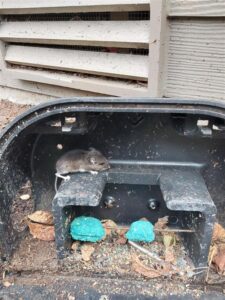
Rats and mice leave behind a trail of physical and biological evidence. Trained technicians know how to read those signs.
An inspection shows:
- Species type (rat vs mouse)
- Size of the colony
- Active travel paths
- Nesting zones
- Food and water sources
Correct identification matters. Different rodents behave differently. Effective pest control methods depend on knowing which species are present.
How Often Should a Rodent Inspection Be Done?
Most homes in the Seattle area should receive an inspection at least once per year. Properties near greenbelts, water, or aging infrastructure should be checked more often.
Inspections should also be scheduled after:
- Heavy rain seasons
- Home renovations
- New insulation installation
- Tree or fence removal
Rodents exploit environmental change. Regular inspections close those windows of opportunity.
What Happens During a Professional Rodent Inspection?
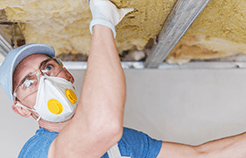
A professional pest inspection follows a structured process. Technicians examine entry points, rooflines, crawl spaces, attics, vents, and foundations.
Most inspections include:
- Exterior perimeter checks
- Roof and eave inspections
- Attic and crawl space evaluation
- Moisture and food source review
- Structural vulnerability mapping
The goal is not just removal. The goal is long-term control through prevention.
Why Rodent Damage Escalates Quickly
Rodents are not just annoying. They are destructive.
The U.S. Environmental Protection Agency reports that rodents damage property, crops, and food supplies across the country every year, leading to widespread financial loss.
Inside homes, rodents:
- Chew electrical wires
- Shred insulation
- Contaminate food
- Spread bacteria and parasites
Unchecked rodent activity creates fire risks, health hazards, and structural damage.
The Role of Prevention in Rodent Control
Stopping rodents requires more than traps. It requires physical exclusion and environmental control.
A good rodent inspection checklist focuses on prevention, including:
- Sealing foundation cracks
- Closing roofline gaps
- Screening vents
- Repairing siding damage
- Securing crawl spaces
Homes in Seattle often have older wood siding, layered roofing, and crawl spaces that attract rodents. Sealing those vulnerabilities is the only way to prevent rodent entry long term.
How Inspections Support Smarter Pest Control
Without inspection, pest control becomes guesswork. Traps and bait alone do not stop reinfestation.
An inspection-based approach:
- Targets nesting areas
- Blocks access points
- Eliminates food sources
- Supports safer pest control methods
Long-term protection depends on understanding how rodents use a home.
How Professionals Build a Rodent Inspection Checklist
A quality rodent inspection checklist is not generic. It is built around the home’s structure and environment.
It includes:
- Foundation gaps
- Roof vents and flashing
- Utility line openings
- Attic insulation
- Crawl space access points
Why Professional Inspections Work Better Than DIY
Homeowners may see droppings or hear scratching. Professionals see the whole system.
A professional pest inspection uses training, tools, and experience to:
- Trace rodent pathways
- Find hidden nests
- Identify moisture sources
- Map structural weaknesses
DIY efforts rarely stop the problem because they miss the root causes.
Frequently Asked Questions
How Long Does a Rodent Inspection Take?
A full inspection usually takes between 60 and 90 minutes, depending on home size and complexity. Larger homes, crawl spaces, and multiple rooflines increase time. Technicians also document findings and create prevention plans.
Older homes may require more time because of layered construction and hidden cavities. Weather and roof access can also affect inspection length. Detailed documentation helps homeowners understand every vulnerable area.
Can Homeowners Do a Rodent Inspection Themselves?
Basic visual checks help, but most entry points are hidden in attics, crawl spaces, and rooflines. Professionals use ladders, moisture meters, and structural training to find what homeowners cannot safely access.
Rodent travel paths are often located in tight or unsafe areas. Incorrect identification leads to recurring infestations. Professional tools provide more accurate results.
Even small mistakes in sealing or placement can give rodents new access points. Trained technicians know how to close gaps without creating new vulnerabilities.
Does Insurance Cover Rodent Damage or Inspection?
Most homeowners’ insurance policies do not cover rodent damage because it is considered preventable maintenance. Regular inspections reduce financial risk by stopping damage early.
Some policies may cover secondary damage, such as electrical fires caused by chewed wires. Inspection reports can support insurance claims when damage occurs. Prevention remains the most cost-effective protection.
Rodent Control Inspection in the Greater Seattle Area: Contact Eastside Exterminators
A reliable rodent control inspection protects more than walls and wiring.
Eastside Exterminators has spent decades protecting homes across the Greater Seattle area with a prevention-focused, inspection-driven approach. What began as a family operation grew into one of the region’s most trusted pest control teams while staying rooted in local values and practical expertise. Our partnership with a global pest-control network now brings digital monitoring and proactive solutions that catch problems before they grow.
Contact Eastside Exterminators today to schedule a rodent control inspection and protect your home with experienced, locally rooted professionals who understand the Pacific Northwest.