(425) 318-7912
 MY ACCOUNT
 425-318-7912
Hantavirus in Washington state is a real concern, but the risk to most residents is genuinely low. The strain carried by local deer mice does not spread between people, and the entire state typically records only one to five cases per year. For anyone going about their normal daily life, the risk is negligible.
Here’s where that changes: hantavirus carries a mortality rate of 38%, according to the CDC. Recent news about Washington residents potentially exposed through an international cruise ship has put this virus back in the spotlight, and rightfully so.
Understanding exactly how it spreads, who faces real exposure risk, and what to do if you find rodent activity at home could be the most practical health information you read this year.
Why Is Hantavirus Making Headlines Right Now?
In May 2026, a fairly significant outbreak of the Andes strain of hantavirus struck an international cruise ship called the MV Hondius during a voyage in the Atlantic. That event brought the virus in Washington state back into public discussion, particularly for residents in King County.
So, three people connected to the area faced potential exposure; one passenger completed quarantine at a national facility in Nebraska, and two residents sat near an ill passenger on a connecting flight. All three remained completely asymptomatic, and public health officials moved quickly to activate contact tracing.
Health authorities are very clear that the chance of this spreading to the general public is extremely low.
The Andes strain involved in this outbreak is actually different from the strain naturally found in Washington. The Andes strain, found primarily in South America, can spread from one person to another in rare cases. That quality is what makes an outbreak on a shared vessel like a cruise ship more complicated to manage than a typical rodent exposure situation.
What Is Hantavirus?
Hantavirus is a group of viruses that rodents carry and spread through their urine, droppings, and saliva. When those materials dry out, they release tiny airborne particles that a person can inhale, and that’s basically how the infection starts.
Hantavirus symptoms typically appear one to eight weeks after exposure and often start out feeling a lot like the flu. Fever, muscle aches, and fatigue tend to show up first, followed by coughing and serious shortness of breath as fluid builds up in the lungs. In severe cases, the lungs can fill with fluid so rapidly that the body can no longer get enough oxygen on its own.
The illness can progress very quickly, so seeking medical attention right away after any suspected exposure is critical.
Where Is Hantavirus Found in Washington?
The deer mouse is the primary carrier of hantavirus in Washington, and it thrives in the cool, damp conditions that define much of the Pacific Northwest. Hantavirus cases in Washington state tend to cluster in eastern Washington, where rural environments give deer mice plenty of undisturbed places to nest.
Rodents actually stay active year-round in this region, so the risk of exposure has no real off-season. Outbuildings, barns, crawlspaces, and vacation cabins that sit unused for long stretches are the settings where contact most often occurs.
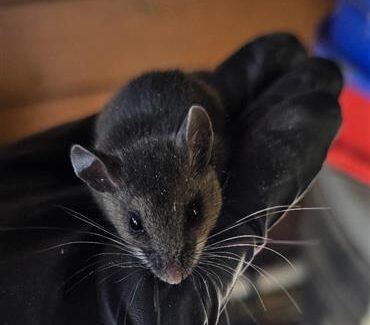
Deer mouse (or a house mouse, a breed similar in appearance) held by one of our technicians.
Hantavirus in Washington State: Is the Risk as High as It Sounds?
For most Washington residents going about daily life, the risk of contracting hantavirus is actually very low. The strain that deer mice carry here, called Sin Nombre, spreads only through direct inhalation of contaminated rodent debris. Spending time outdoors, traveling, or visiting public spaces does not put you at meaningful risk.
So, the concern really narrows down to one very specific scenario: cleaning up a space where wild mice have been actively living.
Is hantavirus fatal? In some cases, yes, the disease can progress to severe respiratory failure, and medical treatment focuses on supportive care rather than a specific cure. Patients need hospital-level care to survive the most serious stage of the illness.
The total number of people who actually contract it each year in Washington remains very small, and most exposures happen in fairly predictable circumstances that people can actively avoid.
How to Prevent Hantavirus Exposure
Hantavirus in WA state is almost always tied to spaces where mice have been living and nesting undisturbed. Your two main lines of defense are keeping rodents out of your home in the first place and knowing how to clean up safely if you do find signs of activity.
Rodent-Proofing Your Home
Mice can squeeze through a gap roughly the size of a dime, so sealing even small openings around your home’s foundation, roofline, and utility lines goes a long way. Homes that go unchecked often become easy targets, since rodents seek out warmth, food, and nesting materials year-round.
Some practical steps to help keep rodents out include:
- Storing all food and pet food in airtight containers
- Trimming back tree branches and dense vegetation near your foundation
- Reducing clutter in garages, attics, and storage areas where rodents nest
- Checking regularly for gaps around pipes, vents, and crawlspace openings
Safe Cleanup Practices
If you find signs of rodent activity in a shed, garage, or crawlspace, the way you clean it up really matters. Sweeping or vacuuming droppings stirs virus particles into the air, so those methods should be avoided completely.
The safe approach follows a specific sequence of steps:
- Open windows and doors to ventilate the space for at least 30 minutes before entering
- Wear rubber or plastic gloves before touching any contaminated materials
- Spray droppings and nesting materials with a 1-to-9 bleach and water mix
- Let the solution soak for at least 10 minutes before wiping with paper towels
- Place all used materials in a sealed plastic bag before disposal
- Wash your hands and gloves thoroughly with soap and water afterward
When Should You Call a Professional?
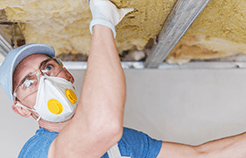
Some rodent situations go well beyond what a weekend cleanup project can address. Heavily infested crawlspaces, attics with contaminated insulation, and homes with multiple entry points that keep letting mice back in typically call for professional help.
Companies like Eastside Exterminators use SMART digital monitoring systems that detect rodent activity around the clock, so problems get caught before they grow into full infestations. Our four-step process covers inspection, exclusion, follow-up, and full sanitation, including removing contaminated insulation and replacing it with clean material, leaving your home both rodent-free and safe. That kind of comprehensive approach removes the health risk at the source.
Frequently Asked Questions
Can My Dog or Cat Catch Hantavirus from a Mouse?
Dogs and cats do not appear to contract hantavirus the way humans do. Their physiology processes the virus differently, and no documented cases exist of pets developing a hantavirus infection from contact with infected rodents.
Still, a pet that catches wild mice and brings them indoors can create a real risk for the people living in that home, since rodent debris carries the virus. Keeping pets away from areas with known rodent activity is a sensible precaution.
How Long Does Hantavirus Survive on Surfaces?
Hantavirus can actually stay active in the environment for several days under the right conditions. In cool, shaded indoor spaces away from direct sunlight, the virus tends to survive longer than it does outside.
Direct sunlight and heat break it down fairly quickly, which is one reason that closed, dark spaces like crawlspaces and sheds carry a higher risk than open outdoor areas. Disinfecting surfaces before wiping them is so important for exactly this reason.
What Should I Do If I Think I’ve Been Exposed?
If you cleaned out a space with rodent droppings and then start feeling feverish, achy, or fatigued in the weeks that follow, contact your doctor and mention the potential exposure right away. Tell them exactly where you were, what you cleaned, and whether you wore any protective gear.
Most general practitioners in Washington are familiar with hantavirus risk factors, and early evaluation genuinely makes a difference in outcomes. You don’t need to wait for severe symptoms before seeking care.
Are Deer Mice the Only Rodents in Washington That Carry Hantavirus?
Deer mice are basically the primary known carrier of hantavirus in Washington, so they receive most of the attention from public health officials. Other wild rodent species can technically carry hantavirus strains, but the deer mouse is by far the most common source of human exposure in the Pacific Northwest.
House mice and rats, more commonly found in urban homes, have not been shown to carry the Sin Nombre strain. The risk really concentrates around wild deer mice in rural and semi-rural settings, rather than the types of rodents most city homeowners deal with.
Stop Rodents Before They Become a Health Risk
Hantavirus in Washington state is serious, but with the right knowledge, exposure is entirely preventable. The virus requires very specific conditions to contract, and eliminating the rodent activity that creates those conditions is well within reach for any homeowner.
Eastside Exterminators has been protecting Pacific Northwest families since 1969, and our four-step rodent control process does what most pest companies skip: we permanently seal entry points, remove contaminated materials, and deploy SMART digital monitoring to catch activity before an infestation develops.
Schedule an inspection today because early action costs far less than dealing with an established infestation later.