(425) 318-7912
 MY ACCOUNT
 425-318-7912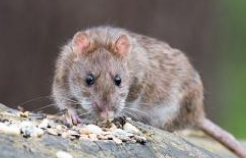
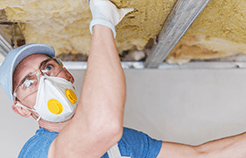
Environmentally responsible pest control combines prevention, careful monitoring, physical barriers, and targeted treatments to manage unwanted pests with less unnecessary pesticide use. Sealing entry points, removing food and moisture sources, using traps or baits, and applying pesticides only when needed can protect a home while reducing potential effects on people and the surrounding environment.
Could routine pesticide use sometimes create exposure that could be avoided?
The EPA reports that 75% of U.S. households used at least one pesticide product indoors during a one-year period, highlighting how common these products are in residential settings. A more sustainable approach begins by identifying the pest and addressing the conditions that attract it.
What Are Eco-Friendly Pest Control Methods?
Eco-friendly pest control focuses on solving pest problems with less reliance on broad chemical treatments. Many methods follow Integrated Pest Management (IPM), which targets the cause of an infestation:
- Preventing pest access
- Monitoring pest activity
- Using targeted treatments
Preventing Pest Access
Prevention starts by making a home less attractive and accessible to pests. Sealing small exterior gaps can block common entry routes.
Fixing moisture problems also removes conditions that many insects need to thrive. These sustainable pest solutions can prevent infestations before chemical treatment becomes necessary.
Monitoring Pest Activity
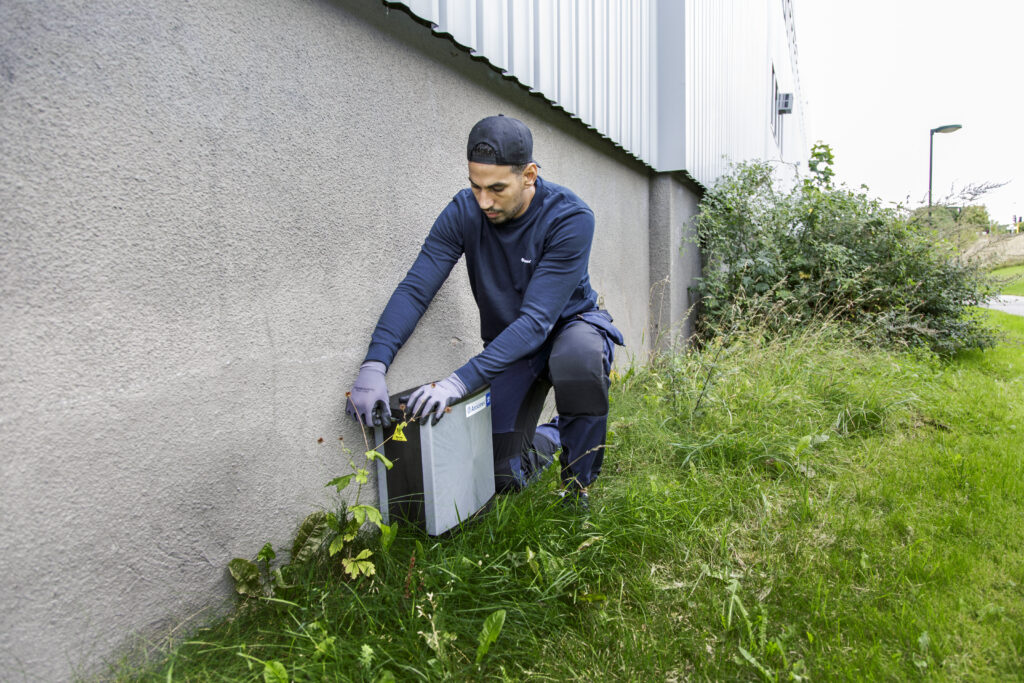
Regular monitoring identifies what pest is present and how serious the problem has become. Traps and visual inspections can reveal active areas.
Accurate identification matters because different pests require different methods. It also prevents unnecessary treatment in areas without pest activity.
Using Targeted Treatments
When treatment is needed, eco-friendly insect control focuses on the affected area. Baits or carefully placed products can target specific pest activity.
This approach reduces unnecessary exposure throughout the home. Safe pest management doesn’t always mean avoiding pesticides entirely. Instead, it means choosing an appropriate product and using only what’s needed.
How Can Prevention Reduce the Need for Pest Treatments?
Preventing pests from settling inside can reduce the need for repeated treatments later. Many infestations begin when a home supplies easy access, water, or a reliable food source. Sustainable pest solutions address these conditions before pest populations have time to grow.
Small gaps around doors or utility lines can become entry points for insects and rodents. Sealing these openings creates a physical barrier that works without chemical treatment. Damaged screens and exterior cracks should also be repaired when they appear.
Moisture control is another important part of safe pest management. Leaking pipes and damp areas can attract pests that depend on water for survival. Prompt repairs make these spaces less suitable for them.
Good sanitation also limits the resources pests can use. Food should be stored securely, and spills should be cleaned before they attract insects.
Covered trash containers can further reduce feeding opportunities.
Regular inspections strengthen preventive pest control by catching activity early. Addressing a small problem often requires less treatment than managing an established infestation.
Where Do Natural Pest Repellents Fit into a Green Strategy?
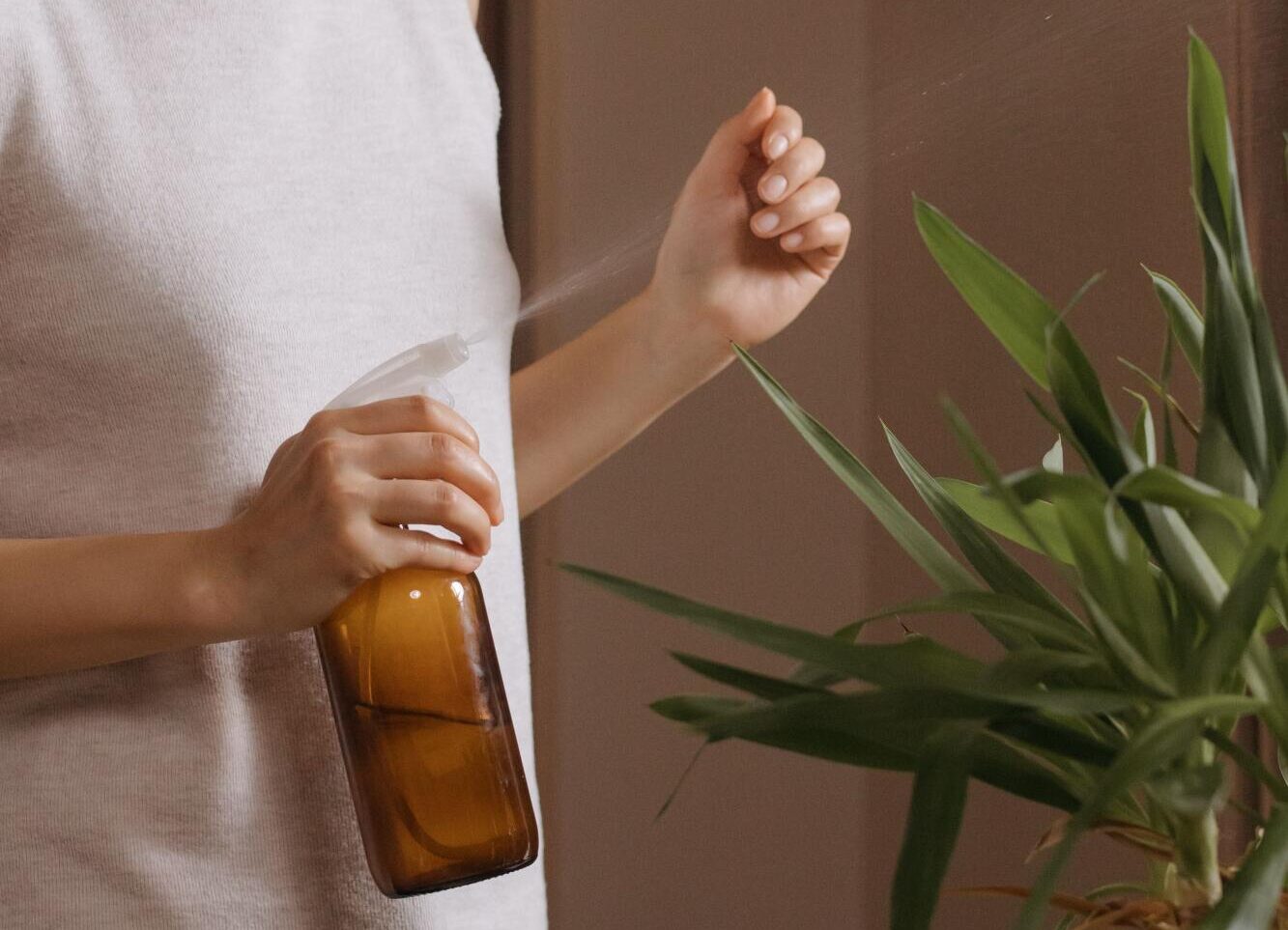
Natural repellents can play a useful role in green extermination when chosen for the right problem. Plant-based products may discourage certain pests without requiring broader chemical applications throughout the home.
However, repelling a pest isn’t the same as removing an infestation.
A botanical spray might discourage insects from entering one area. It may not reach a hidden nest or stop an established colony. Physical barriers and other treatments may still be needed to address the source.
The word “natural” also doesn’t automatically mean harmless. Naturally derived ingredients can irritate people or affect pets when used incorrectly. Homeowners should follow product directions and consider where a treatment will be applied.
DIY remedies can also have limited results. Some may briefly change pest behavior without addressing the conditions that brought pests indoors. For reliable eco-friendly insect control, natural options work best as one part of a broader plan.
How Does Targeted Treatment Make Pest Control More Sustainable?
Targeted treatment focuses pest control efforts on the places where pests are actually active. Accurate identification comes first because each pest may require a different method.
A technician can inspect the home to locate nests, entry points, or other signs of activity. Treatment can then focus on those specific areas. This approach avoids applying products throughout spaces that show no evidence of pests.
Baits are one option for precise eco-friendly insect control. They can be placed near known activity instead of treating an entire room. Other products may be applied directly to cracks or hidden spaces that pests use.
Monitoring also makes green extermination more efficient after the first treatment. Follow-up checks show whether pest activity has declined. Additional treatment can then be limited to areas where problems remain.
Frequently Asked Questions
Is Eco-Friendly Pest Control Safe for Pets?
Eco-friendly insect control can reduce unnecessary exposure, but no treatment should automatically be considered pet safe. Risk depends on the product and how pets might encounter it.
Tell your pest professional about dogs, cats, birds, or other animals in the home. Follow all instructions about removing pets during treatment and returning them afterward.
Does Green Pest Control Work for Serious Infestations?
Green extermination can address serious infestations without relying on excessive treatment. The best method depends on the pest species and the size of the infestation.
Severe problems may require stronger measures to gain control. An environmentally responsible approach uses the least disruptive method that can still produce reliable results.
Are Eco-Friendly Pest Treatments Better for Pollinators?
Responsible pest control can reduce risks to bees and other beneficial insects. Product choice is important, but placement also matters.
Treatments should avoid flowering plants and other areas that pollinators regularly visit whenever possible. Careful application can also reduce drift into nearby habitats that don’t require treatment.
Safe Pest Management in Seattle
Environmentally responsible pest control protects homes by combining prevention, careful monitoring, and targeted treatment. Reducing pest access and addressing problems early can limit the need for widespread chemical use.
At Eastside Exterminators, we’ve protected Seattle-area homes with effective, eco-friendly pest control since 1969. As a locally owned, family-operated company, we combine more than 50 years of experience with extensive knowledge of local pest problems. Our services cover pest and rodent control, attic and crawl space cleaning, insulation, rat slabs, and bed bug treatments.
Get in touch today to find out how we can help with your pest control needs.