(425) 318-7912

 MY ACCOUNT
 425-318-7912

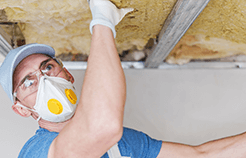

Your crawl space provides the perfect hidden area for pests to make it their nest. Taking the necessary seasonal home maintenance steps, like insulation replacement, helps prevent a rodent infestation from occurring in the first place.
According to the American Housing Survey’s Worst Rat-Infested Cities of 2026, Seattle is at #11, just barely squeaking out of the top 10. This equates to 5.6% of all houses in the Seattle area that are inhabited by some extra unwanted furry family members.
A small rodent problem can quickly turn into an infestation as these pests make themselves at home in your home. Crawl space fortifications are an essential part of home maintenance, particularly in the fall and winter months.
What Are the Most Effective Ways to Fortify a Crawl Space Against Rodents?
Early preparation gives homeowners time to address hidden problems before rodent activity increases. Homeowners can curtail pests by:
- Installing rodent-resistant barriers
- Sealing gaps
- Reinforcing vulnerable areas
- Assessing damaged materials
- Improving drainage
- Replacing damaged insulation
Regular inspections can reveal vulnerabilities that are easy to overlook from inside the home. Sealing compromised areas strengthens the crawl space against future entry attempts.
Why Is Fall the Best Time for Crawl Space Fortification?
A survey by The Harris Poll on behalf of the National Pest Management Association (NPMA) reveals that 17% of Americans encountered rodents in their homes in 2025. Fall offers a practical window to prepare your crawl space before colder weather drives rodents toward warmer shelter.
Cooler temperatures also make inspection and repair work more manageable. Fall crawl space fortification also creates an opportunity to check areas affected by summer heat and humidity.
A fortified crawl space can provide stronger protection throughout the colder months ahead. Doing it now reduces entry opportunities before winter.
How Does Insulation Replacement Help Prevent a Rodent Infestation?
Damaged insulation can create cozy hidden nesting areas where rodents settle undisturbed. Replacing compromised material removes contaminated debris and exposes gaps that need sealing.
Fresh insulation also restores coverage around the crawl space, reducing exposed areas where rodents can move freely. Pairing insulation replacement with sealing work creates a stronger barrier against entry.
Proper installation supports a cleaner crawl space with fewer conditions that encourage rodent activity.
What Seasonal Home Maintenance Tasks Keep Rodents Out?
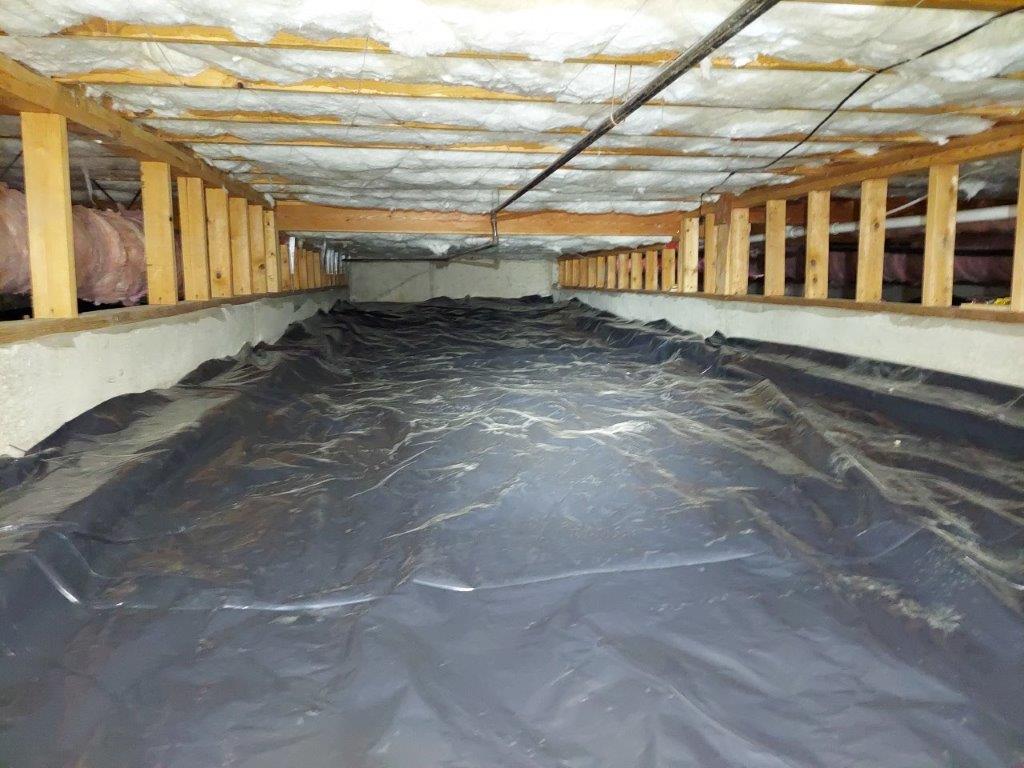
Rodents can easily exploit even the smallest openings around the exterior of a home. Seasonal home maintenance reduces the conditions that attract rodents. Inspect exterior walls each season for:
- Cracks
- Gaps
- Damaged vents
- Loose siding
- Worn foundation seals
- Gaps around utility lines
Clear leaves and debris from areas near the foundation. Trim vegetation away from your home to limit hiding spots.
Check the attic and crawl space insulation for signs of nesting. Seal openings around pipes and ducts, as well as utility lines.
Clean your garage and any additional storage areas regularly to remove potential food sources and nesting materials.
How Does Weather-Proofing Crawl Spaces Reduce Rodent Entry?
Seattle averages around 39.34 inches of precipitation per year. (SeattleWeatherBlog).
Heavy rain can widen soil gaps near foundation walls. Strong winds may loosen vent covers or damage screening.
Weatherproofing prepares crawl spaces for conditions that often expose new entry points. Using weather-resistant materials provides added durability around exposed areas.
Conducting routine checks after major storms can catch damage before rodents discover an easy route inside and establish nesting areas. Addressing minor vulnerabilities prevents rodents from exploiting newly formed openings.
What Signs Indicate Rodents Have Entered a Crawl Space?
Rats are clever creatures, but they can’t stay undetected for long. Rodent droppings are one of the clearest signs of activity in a crawl space.
Small, dark pellets often appear near walls or sheltered areas. Gnaw marks on wood can indicate repeated rodent chewing activity.
Damaged wiring may signal a more serious problem. Scratching sounds at night can reveal movement beneath the home.
Shredded insulation may indicate nesting areas nearby. Rodents often build nests in quiet, protected spaces.
Noticing a strong musky odor indicates active nesting activity. Greasy marks along walls may reveal frequent travel routes.
Inspect unusual damage promptly to determine whether rodents have entered the crawl space.
What Should Be Included in a Fall Crawl Space Inspection?
A fall crawl space inspection should include a review of components that support long-term performance.
Examine dehumidifiers to confirm proper operation. Make sure to clean filters before seasonal use.
Verify that sump pumps activate when needed. Look over ductwork for loose connections or damaged insulation.
Assess access doors for proper closure and secure latches. Clear drainage systems of blockages that could interfere with water removal.
Reviewing these vital components before winter can reveal problems before they affect crawl space conditions.
Frequently Asked Questions
Can Crawl Space Rodents Attract Other Pests?
Yes. Rodents can create conditions that attract other unwanted pests. A crawl space with ongoing rodent activity may develop additional pest concerns.
Their nesting materials and droppings may provide food sources for insects. Decomposing rodents can attract flies and other scavengers.
Prompt removal of nesting debris can reduce opportunities for secondary infestations.
How Quickly Can a Rodent Population Grow in a Crawl Space?
Yes. Rodent populations can grow quickly when conditions support reproduction.
Females may produce multiple litters within a year. Each litter can contain several offspring.
A small rodent presence can expand before obvious signs appear. Early detection allows homeowners to respond before the population becomes persistent.
Is a Professional Rodent Cleanup Necessary After an Infestation?
Yes. Professional rodent cleanup may be necessary after an infestation.
Droppings and nesting debris can remain after rodents leave. Proper removal reduces lingering contamination in affected areas.
Professionals can also identify materials that require specialized handling. Thorough cleanup leaves the crawl space ready for repairs and preventive measures.
Manage Your Rodent Infestations with Professional Services from Eastside Exterminators in Seattle, WA, Today
Your crawl space can quickly become a home away from home for rodents and other creepy crawlers without the proper protection. Seasonal inspections reveal conditions that make the space more inviting to pests. Fall maintenance provides an opportunity to prepare vulnerable areas before colder weather arrives.
Eastside Exterminators has been providing safe and reliable services in Seattle, WA, and surrounding areas since 1969. Our high-quality and effective solutions include Pest Control, Rodent Control, and Insulation Services. We also offer SMART environmentally friendly pest control.
Contact Eastside Exterminators to request your free rodent or pest control quote today.