(425) 318-7912
 MY ACCOUNT
 425-318-7912
Pest management involves proactive steps to keep pests away and reactive steps to deal with them when they come. Combining both methods allows you to enjoy the benefits of both.
According to the National Pest Management Association, the pest control industry has generated approximately $13 billion in revenue. Over 85% of that revenue was from repeat customers.
This shows the need for pest management to keep infestations under control and why knowing whether to use reactive or preventive approaches is so critical.
Reactive vs. Preventive Pest Management
The benefits of pest management go beyond removing unwanted rodents or insects. Reactive management is about reacting to the issue as it happens. Preventative management involves steps to keep it from happening again.
Reactive
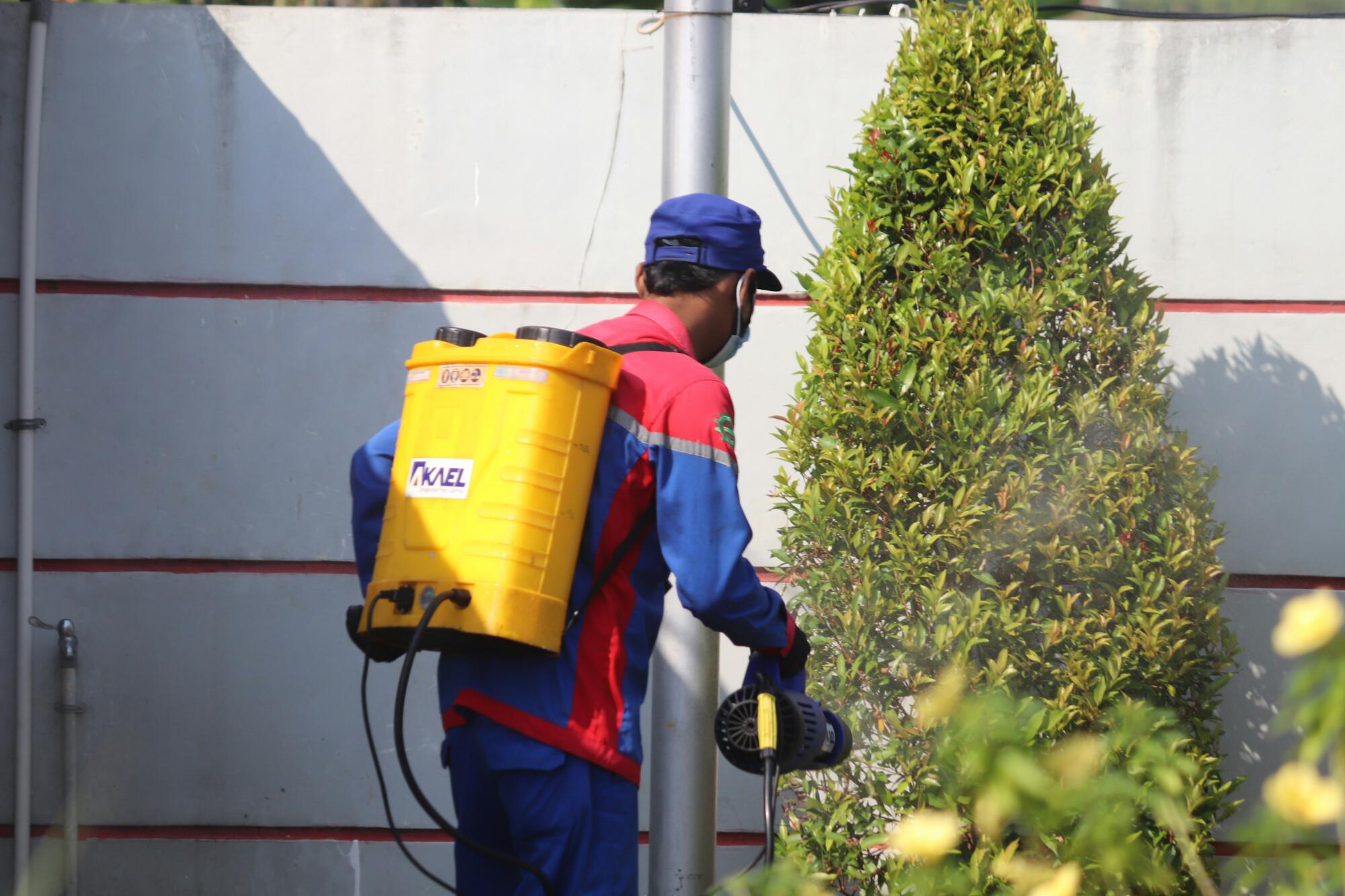
Reactive pest management is about dealing with an infestation that you can see. Exterminators will come in with traps and pesticides to remove the problem.
This method provides immediate results and can be helpful for small, isolated issues. It also causes less disruption to your life and comes at a lower, more predictable cost.
The problem with reactive management is that it addresses only what you can see, not what caused it. It doesn’t focus as heavily on sealing entry points or improving conditions. This can lead to more infestations in the future.
Preventive
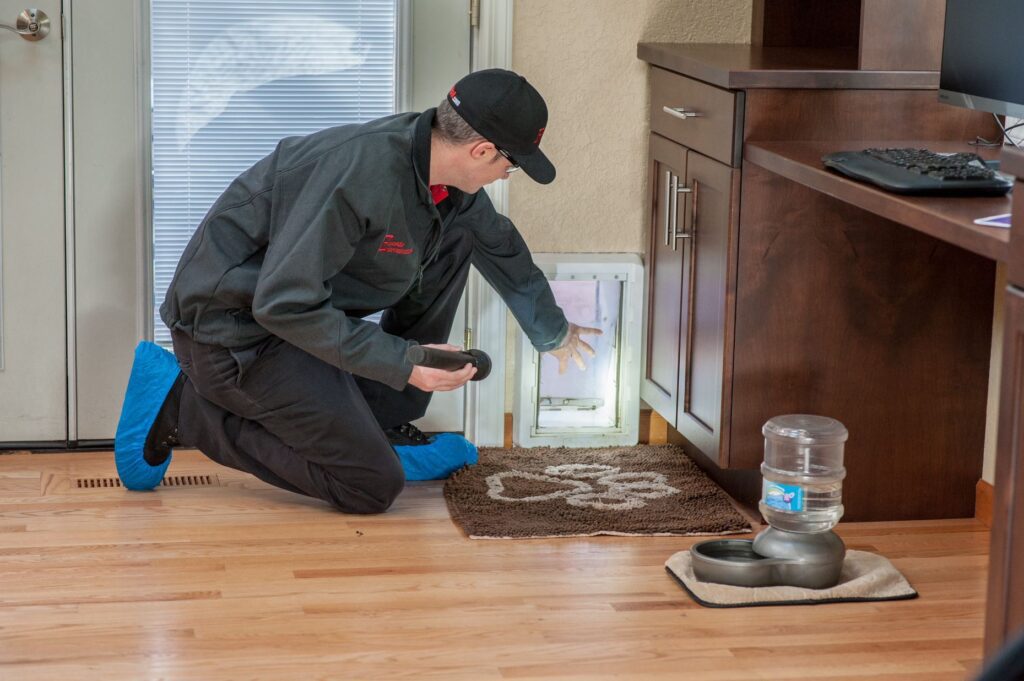
Preventive pest management can happen before the pests even appear. It’s all about preventing them from getting in.
This can involve a combination of:
- Regular inspections
- Ongoing monitoring
- Physical exclusion by sealing gaps or holes
- Targeted treatments
- Preventing conditions that create infestations
This stops recurring infestations. There’s also less need for pesticides, making preventive management an eco-friendly method of pest control.
This all comes with added disruption to your home and daily life. It has a less predictable cost but ends up being among the most cost-effective pest solutions in the long run. Preventing pests from entering and causing damage can do wonders.
What They Look Like
Preventive and reactive pest control strategies look different because they have different goals. One uses traps and other removal methods to deal with existing pests.
Preventive Control
Proactive pest control methods can be as simple as cleaning the home. Removing food and water sources for pests discourages them from coming back.
It also involves sealing even the smallest entry points. Mice can slip in through holes smaller than a quarter.
Prevention can also involve targeted removal. Bait stations and other options are placed in the most at-risk areas.
The key is monitoring. Sensors and digital monitoring tools keep an eye out for pests.
Reactive Control
Reactive control is targeted. It uses specialized, quick control methods. They could include:
- Traps
- Glue
- Electronic devices
Reactive control can also have a preventive component. Any contaminated products will be removed. There may also be efforts to seal gaps or holes, but they’re not as extensive as those for preventive control.
How Often Should Pest Control Become Preventative?
Reactive control is key to home pest prevention. Hire a professional when you see clear signs of an infestation.
You should also schedule preventive control measures regularly to prevent major infestations. The general consensus is to start preventive control quarterly or every three months.
This helps restore any worn-out barriers. It also allows you to prevent pests that appear more often in different seasons.
There are also different timeline recommendations depending on where you live.
Scheduling the service every two months may be fine if you have an old home or certain climates. One month isn’t recommended unless you live in a clean climate with low risk.
Which Type of Pest Control is Best?
Both reactive and preventive control have their place, but IPM, or integrated pest management, combines them for better results.
It uses preventive tasks such as monitoring and early identification, while ensuring you have follow-ups and seasonal adjustments. It also uses reactive methods such as targeted treatments.
This combines the best of both pest control methods. You’ll be able to stop pests before they enter your home and deal with them if they do.
The best pest services will use IPM to keep your home safe. They’ll understand the best combination of reactive and preventive services for your situation.
Frequently Asked Questions
What Are the Three Rules for Pest Control?
The first rule is to identify the problem. Knowing the type of pest and its species is essential to finding out how to get rid of it.
The second rule is to eliminate the cause. This means getting rid of anything that may be allowing the pests to thrive or attracting them to your home. Examples include:
- Food
- Water
- Shelter
- Entry points
The final rule is to take targeted action. That means using the safest, most effective possible methods to remove the pest and monitor the area to ensure they don’t return.
These pest management rules all apply to both reactive and preventive control, but a combination of both applies the principles of all of them.
How Do I Prepare My Home for Pest Control?
Put away food in airtight containers. Remove any source of water by wiping down wet sinks and tubs.
Pick up clutter, both indoors and outdoors. Firewood outside can be a food source for termites. A plank next to a hole in your home could let rodents in.
You may also want to mow the lawn and vacuum floors to remove anything hidden there. Take everything off the floor and move furniture away from the walls. This gives the professionals space to work.
Get Pest Management Today
Pest management is more than a reactive way to get rid of pests in your home. It also requires careful, preventative steps to keep them from coming in the first place or returning after coming once.
Eastside Exterminators has been offering reliable pest control in Seattle since 1969.
Our extensive local knowledge allows us to handle whatever comes our way. We can handle any pests, including rodents, ants, spiders, termites, and more.
Contact us to see how we can protect your home today.