(425) 318-7912
 MY ACCOUNT
 425-318-7912
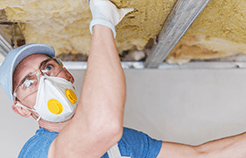
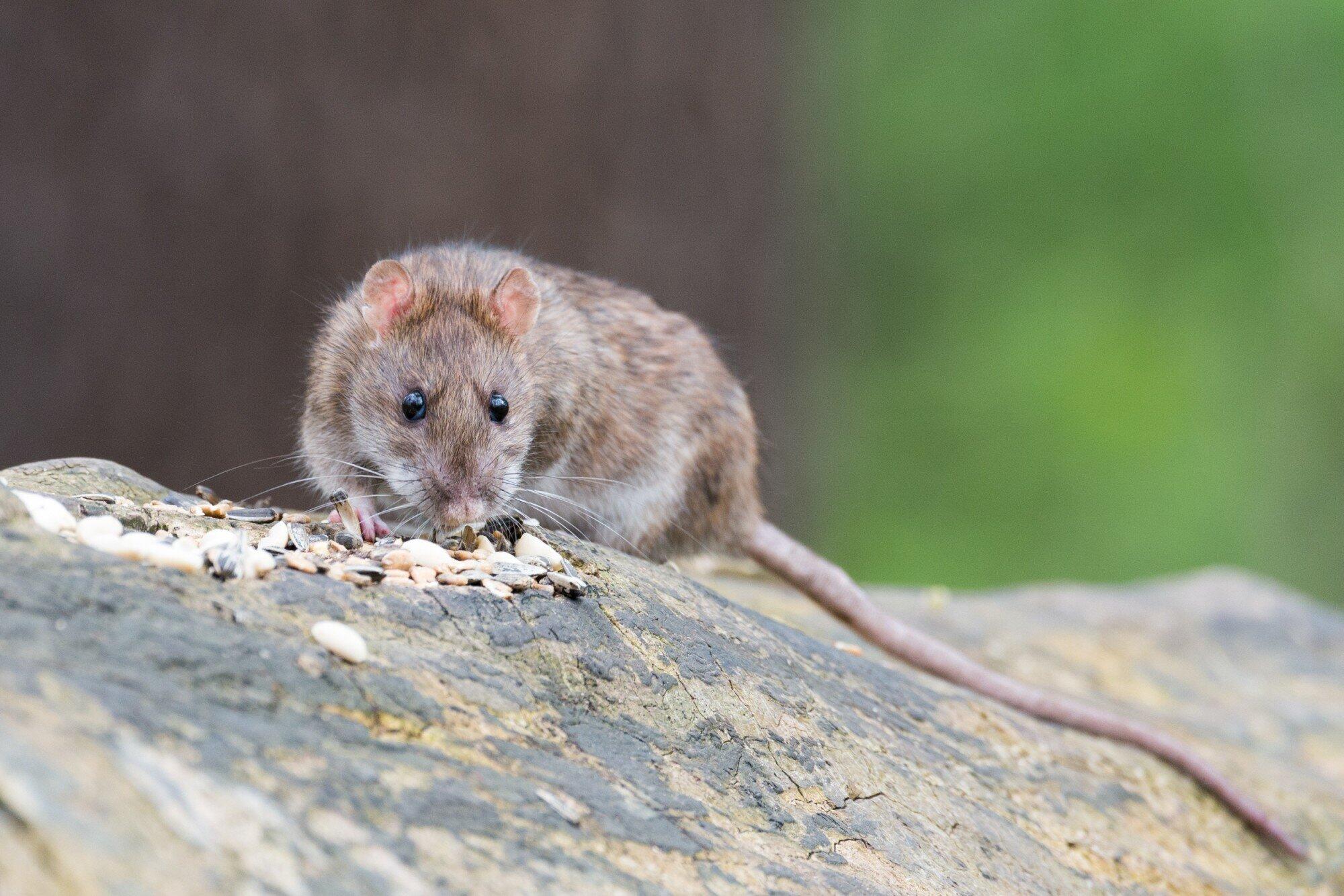
Rat exclusion is the process of guarding your home against infestations. It involves steps such as blocking entry points and setting traps for any rats already in your home.
One rat may not seem like a problem, but it can quickly become an infestation. A breeding pair can multiply into a hoard of nearly 278 in a year. That’s not to mention the potential diseases they can carry and their impact on food production.
A pound of prevention is worth an ounce of cure, and that’s why rat exclusion is so essential.
What Is Rat Exclusion?
Rat exclusion focuses on sealing gaps in your home to prevent pests from getting in. It’s an essential part of rodent control because it helps prevent rats from entering.
Another important step is to look for any open spaces the rats could use to burrow their way into the house. These could include:
- Missing doors
- Damaged screens
- Burrow holes, especially near water or sewer lines
- Holes near the furnace or crawl spaces
What Are the Six Steps to Get Rid of Rats in My Home?
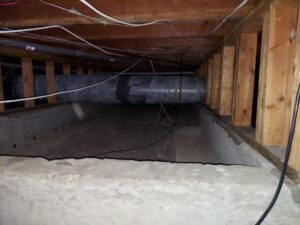
Preventing a rodent infestation means thinking like a rat. Where can they get into your home? Where are they finding food? Using this information allows you to set traps at high-traffic locations to stop them.
1. Inspect and Identify Entry Points
One of the best rodent-proofing tips is to start by looking for any signs of an existing infestation. These include:
- Droppings
- Nesting materials
- Trails
- Gnawing marks
It’s also important to identify any entry points. Even the smallest hole could be a way for a rat to get into your home.
2. Seal Structural Gaps
Larger gaps in your home need the most effective rat barriers. These could include cement with galvanized screening and meshes.
3. Block Small Openings
No hole is too small in terms of rat exclusion. Steel galvanizers can block small openings. The rats can’t chew through them and get in where you least expect.
4. Use Targeted Trapping and Bait Stations
Traps and bait stations are among the best rodent-control methods for rats that are already in your home.
Snap traps snap and kill rats quickly. Put them where the rats are most active.
While there are several foods that are poisonous to rats, it’s best to use bait that has a strong smell to attract them to the trap. A few of the best options include:
- Nut butters
- Bacon
- Canned tuna
Tie the bait to the trigger. It’ll go off and snap on the rat.
Glue traps are another option. They contain a sticky substance that’ll keep the rat stranded on the trap.
Bait stations use poison. They’re an effective method of control, but they’re also potentially dangerous. That’s why they need to be set in safe places away from children and animals.
Live catch traps are the most humane option. They use a spring that triggers when the rat steps on it, trapping the rat in a cage. They’re effective at controlling small groups but aren’t among the best major rat infestation solutions.
5. Eliminate Food, Water, and Shelter
Rats are highly social creatures that can make millions of different sounds. If one rat notices your home is a worthwhile source of food, it’ll sound the alarm. You can have an infestation before you know it.
That’s why home pest prevention starts with eliminating sources of food and water. Rats aren’t picky eaters, which makes it important to ensure there isn’t anything attracting them to your home lying around.
Keep any firewood stored away. Rats may come and gnaw on it or use it for nesting. Trim any bushes or trees that could provide a path into your home. Pick up any fruits and nuts that fall off and provide them with food.
Working inside is just as important as working outside. Put all your food in secure containers. Keep your home clean. Rats can survive on the tiniest crumbs that you leave on the floor.
6. Implement Ongoing Follow-Ups
Rodent exclusion isn’t a one-time process. You should regularly check traps and examine your home. This helps prevent rats from coming back.
Is Rodent Exclusion Worth It?
Exclusion is effective at preventing infestations. It can save you from wasting unnecessary time and money on repairs from rodent damage and pest control. Follow-up keeps the problem from coming back.
You’ll get the most effective results by combining personal and professional services. Do your own regular inspections and look for signs of rat activity. Call for professional services for regular inspections and at the first sign of activity. That way, a small rat problem won’t become an infestation.
Frequently Asked Questions
What Time of Night Are Rats Most Active?
Rats are crepuscular, meaning they’re most active at dawn or dusk. They can also be nocturnal and active at night, especially when humans sleep from 9 pm to midnight.
In general, they prefer to act when it’s quiet and dark. Signs of rat activity include:
- Scratching or scurrying sounds
- Chewing marks
- Rub marks
What is the Five-Day Mouse Rule?
The five-day mouse rule is among the best general rodent-proofing tips. It gives you an idea of how long to wait after working to get rid of rats.
Hantavirus is one of the most common toxins spread by mice and rats. According to the American Lung Association, it can live for up to 4 days in the same area. That’s why you should wait five days after trapping the last mouse in your house before thoroughly cleaning it.
You should also wait a few days to check your traps. It’s also best to only trap for around 5-7 days to avoid exposure.
Get Rat Exclusion Today
Rat exclusion prevents infestations by sealing holes and trapping existing pests. It’s an important process for the long-term safety of your home.
Eastside Exterminators has been protecting the Greater Seattle area since 1969. Our nationally certified technicians have access to advanced solutions that are efficient and sustainable.
Our goal is to help prevent pest infestations and respond to existing issues. We’re committed to treating every customer like family.
Contact us for rat exclusion today.