(425) 318-7912
 MY ACCOUNT
 425-318-7912

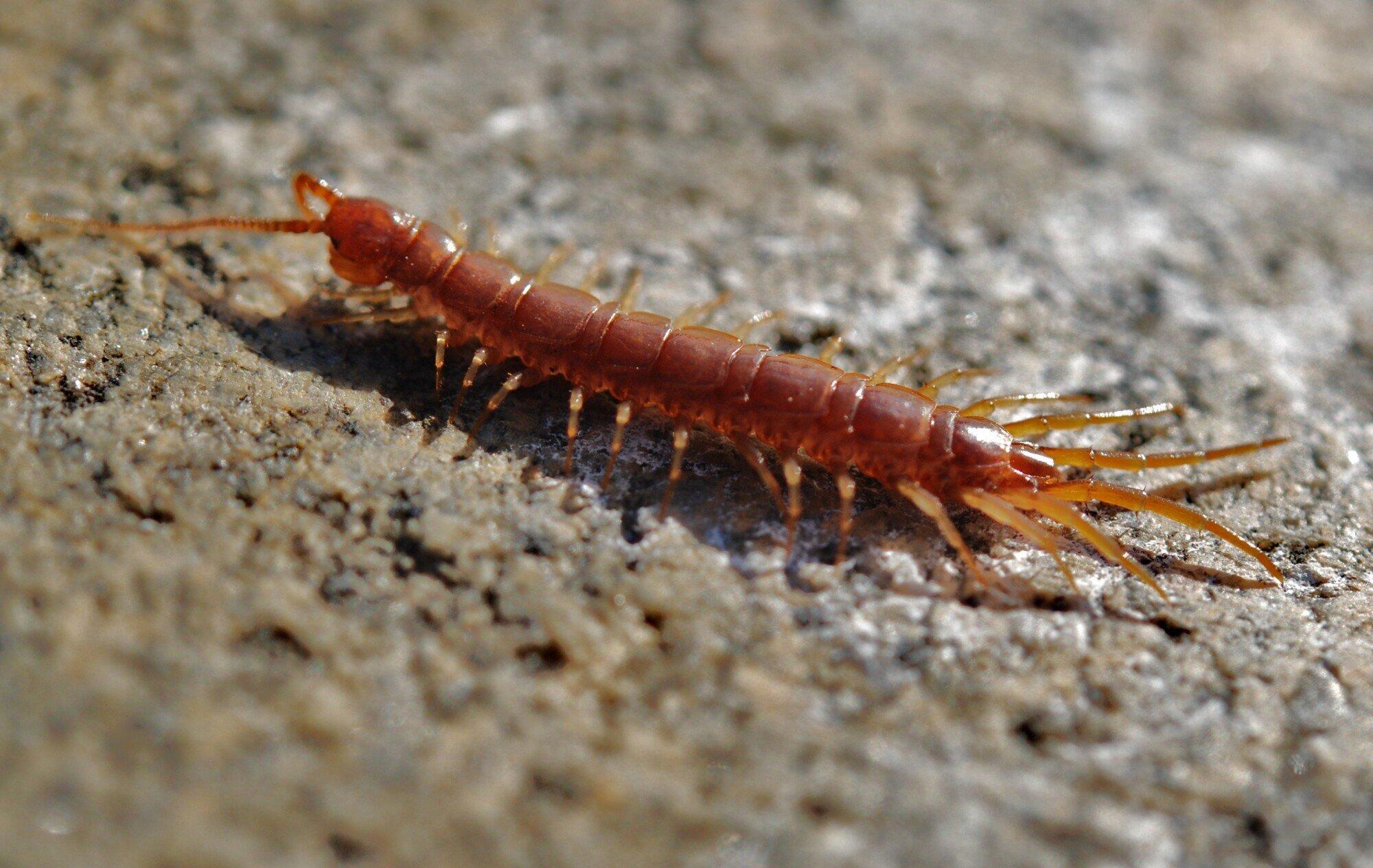
A centipede infestation usually signals excess moisture, hidden insects, and easy entry points inside your home. The fastest way to control it is to reduce humidity, seal cracks, eliminate prey pests, and apply targeted treatments that disrupt their hiding spots. When these steps are combined consistently, most infestations shrink quickly and become preventable long term.
Have you started noticing fast, many-legged insects darting across your floors at night? Join us, as we look into how to identify the warning signs, remove active centipedes, and fix the environmental issues that attract them.
What Does a Centipede Infestation Look Like?
A centipede infestation rarely starts with a large swarm. There are several warning signs that point to an active infestation:
- Frequent indoor sightings
- Damp hiding areas
- Evidence of other insects
Frequent Indoor Sightings
Seeing one centipede now and then doesn’t always mean trouble. Repeated sightings in the same rooms often signal a breeding population nearby.
Centipedes move fast and prefer dark spaces, so daytime appearances can hint at overcrowding in their hiding spots. Bathrooms, basements, and laundry rooms tend to show activity first.
Nighttime sightings carry more weight since centipedes hunt after dark. Consistent encounters should trigger centipede control tips right away.
Damp Hiding Areas
Centipedes depend on moisture to survive. Wet corners, leaking pipes, and humid crawl spaces create perfect shelter.
Condensation on walls or musty smells can support their presence. Homes with poor airflow often host more activity. Reducing moisture removes one of their main survival needs.
Evidence of Other Insects
Centipedes stay where food exists. A spike in spiders, ants, or silverfish can attract them.
Dead insects, shed legs, or small carcasses may appear near baseboards. Treating the food source weakens the infestation and slows reproduction.
What Month Are Centipedes Most Active?
Centipedes show the highest activity from late spring through early fall. Warm air and steady humidity create ideal living conditions.
Summer months push them to hunt more often, which raises the chance of indoor sightings. Dry spells can drive them inside in search of moisture.
Sudden heat waves create the same reaction. Homes with basements and crawl spaces tend to see spikes during these periods.
Cold weather changes their behavior. Outdoor populations slow down once temperatures drop, yet indoor spaces stay attractive. Heated homes provide steady warmth and hidden shelter.
That’s why winter sightings don’t always mean activity has ended. Some infestations grow quietly during colder months.
How to Get Rid of Centipedes Safely and Effectively
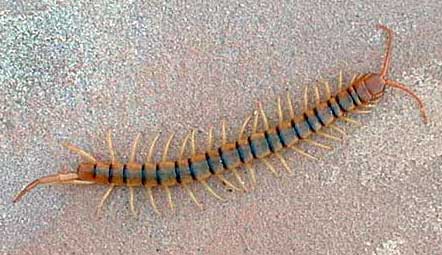
(Centipede, image from casasarroyo.org)
Getting rid of centipedes requires more than killing the ones you see. Long term control comes from removing their shelter and food. Several actions break the cycle and reduce indoor populations:
- Moisture control methods
- Structural sealing
- Targeted removal steps
Moisture Control Methods
Dry air weakens their ability to survive indoors. Dehumidifiers pull excess water from basements and crawl spaces.
Running bathroom fans after showers helps lower humidity. Fixing leaks removes hidden water sources that keep them active.
Damp storage boxes or wet cardboard should leave the home. Clean, dry surfaces support strong centipede control tips and slow reproduction.
Structural Sealing
Gaps around doors and windows invite repeat entry. Caulk fills cracks along baseboards and foundations. Door sweeps block ground level access.
Screens over vents stop movement through airflow openings. Small repairs prevent steady migration from outdoors. A sealed home supports how to get rid of centipedes plans that last.
Targeted Removal Steps
Sticky traps catch active hunters at night. Vacuuming visible centipedes removes them without chemicals. Treating secondary insect pests cuts off their food supply.
Some infestations grow beyond home remedies. Professional centipede removal services can inspect hidden areas and apply stronger treatments when needed.
Long-Term Strategies to Prevent a Centipede Infestation
Long-term prevention keeps small sightings from turning into a steady problem. Daily habits shape whether centipedes return or disappear. Consistent maintenance works better than one-time fixes.
Several habits support long-term control:
- Routine moisture management
- Exterior home maintenance
- Ongoing pest monitoring
Routine Moisture Management
Dry spaces discourage centipede activity. Running dehumidifiers in basements lowers indoor humidity. Checking pipes and drains reduces hidden leaks.
Shower steam should leave bathrooms through working fans or open vents. Storage areas need airflow to prevent damp corners. Natural centipede repellents, such as essential oil sprays, can support dry environments when used on baseboards and entry zones.
Exterior Home Maintenance
Outdoor conditions shape indoor risk. Gutters should drain water away from foundations. Soil and mulch must stay a few inches below siding.
Firewood stacks attract insects that feed centipedes. Trimming shrubs and grass removes shaded shelter near walls. Exterior lighting can draw insects, so placement matters around entry points.
Ongoing Pest Monitoring
Regular inspections catch early warning signs. Sticky traps reveal movement patterns inside the home. Sudden increases in spiders or ants suggest food sources remain active.
Quick responses prevent centipede infestation cycles from rebuilding. Consistent monitoring keeps populations small and easier to control.
Frequently Asked Questions
Are House Centipedes Dangerous to Humans?
House centipedes look threatening, yet they rarely harm people. Their bite feels similar to a mild bee sting for most adults.
Reactions vary based on skin sensitivity. Pets may chase them, though serious injury stays uncommon. Fear comes more from appearance than danger. Most encounters end without contact.
Do Centipedes Mean I Have Another Pest Problem?
Centipedes act as predators inside the home. Their presence often signals a steady food supply. Spiders, ants, and silverfish attract them first.
Removing those insects weakens the centipede population. A visible hunter usually points to hidden prey nearby.
What Smells Do Centipedes Hate?
Strong scents can discourage movement across treated areas. Peppermint oil, tea tree oil, and citrus extracts act as natural centipede repellents.
These scents fade over time and require regular reapplication. Oils don’t eliminate infestations alone, yet they help reduce activity in targeted zones.
Better Pest Control
A centipede infestation feels unsettling, yet it responds well to steady prevention and early action.
For more than five decades, Eastside Exterminators has protected homes across Seattle with eco-conscious pest control built on local experience. Our family-run team focuses on safe, effective solutions that respect both your home and the environment. We live and work in the same communities we serve, so we treat every customer like a neighbor.
Get in touch today to find out how we can help with your pest control!