(425) 318-7912
 MY ACCOUNT
 425-318-7912

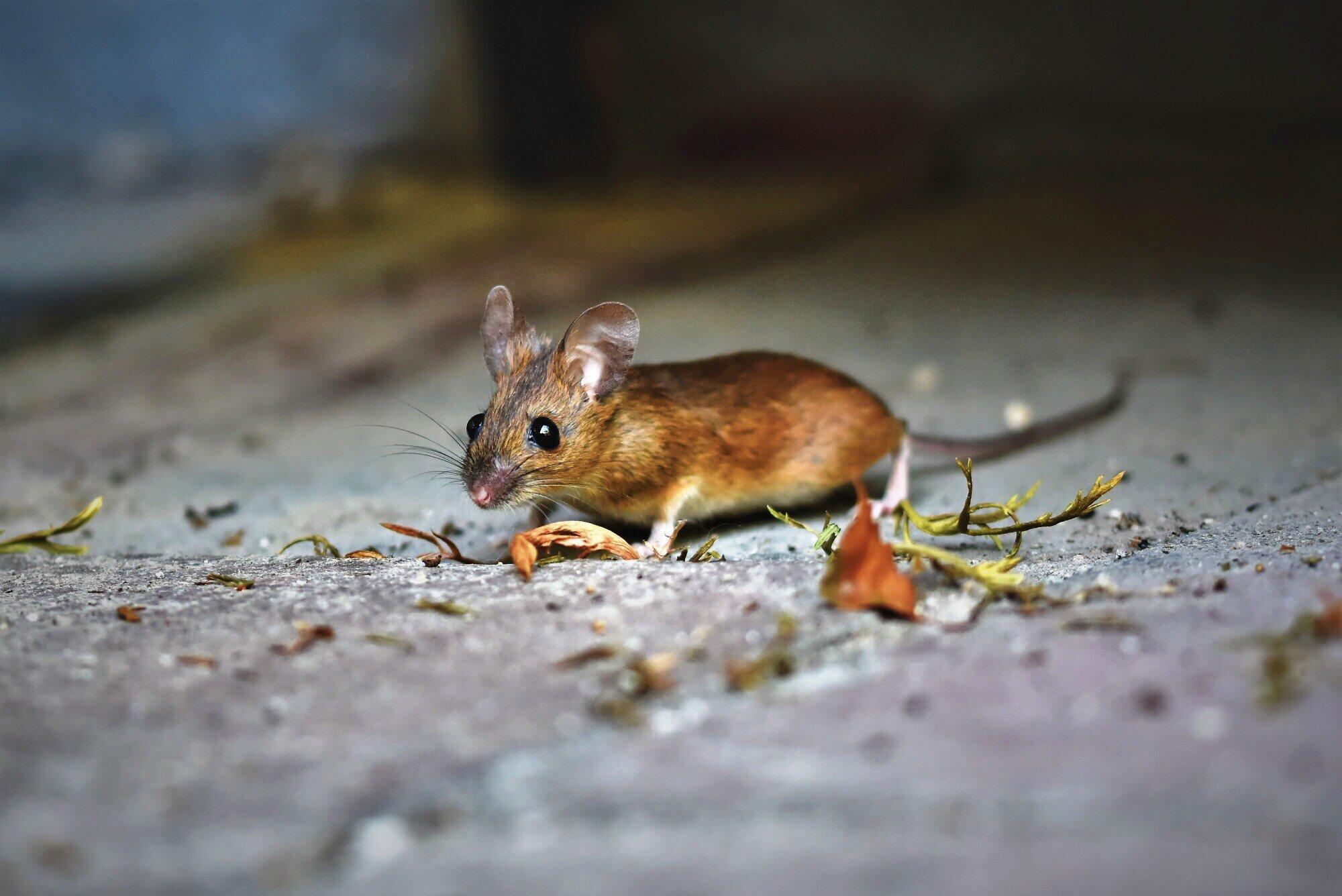
A rat nest is a hidden cluster of shredded materials, droppings, and greasy markings built in dark, protected spaces inside or near a home. Rats use these nests to breed, rest, and hide while feeding on nearby food sources. Spotting one early helps prevent a larger rodent infestation from taking over a property.
Rats do not just run through walls or scurry across floors. Rats build homes inside human homes.
A single rat nest can support dozens of rodents in only weeks. Every nest left undiscovered allows a silent invasion to grow.
Homeowners across the Greater Seattle area face rising rodent pressure due to wet weather and aging structures. Rats use crawl spaces, attics, walls, and foundations to stay warm and hidden. Understanding rat nest identification gives homeowners the power to protect their homes.
Knowing what a nest looks like, where it forms, and how rats build it creates the first defense against a dangerous rodent infestation.
What Does a Rat Nest Look Like Inside a House?
A rat nest looks like a compact pile of shredded material pressed into corners, voids, or cavities. Nests often resemble messy balls of debris tucked behind insulation, stored items, or wall framing.
Common rat nest materials include:
- Shredded paper
- Insulation fibers
- Fabric pieces
- Cardboard
- Dried leaves
- Plastic or foam scraps
Rats shape these materials into thick, warm bedding. The center usually contains:
- Droppings
- Urine stains
- Food crumbs
The area often smells musty or ammonia-like. Walls, attics, crawl spaces, and garages provide the best shelter for nesting.
Where Do Rats Usually Build Nests?
Rats choose locations that stay dark, dry, and quiet. A rat nest stays hidden unless disturbed.
High-risk nesting areas include:
- Attics and rafters
- Crawl spaces
- Behind kitchen walls
- Under decks
- Inside sheds
- Near HVAC systems
Seattle’s damp climate pushes rats indoors during fall and winter. Older homes with foundation gaps and wood rot offer easy entry points.
How Big Is a Rat Nest?
A rat nest often measures between 6 and 18 inches wide. Larger colonies build bigger nests as populations grow.
One nest can house:
- Adult rats
- Juveniles
- Newborn pups
Each female rat can produce up to 60 offspring per year. One nest left untouched creates exponential growth.
How to Identify a Rat Nest in Walls or Ceilings
Rat nest identification inside walls requires attention to sound, smell, and debris. Common clues include:
- Scratching or squeaking sounds
- Droppings near baseboards
- Grease smears along walls
- Chewed drywall or wiring
- Strong musky odors
Wall nests create heat buildup and moisture damage. Electrical fires often start where rats chew through insulation.
Signs of a Rodent Infestation Near a Nest
A rodent infestation becomes obvious once nests expand. Warning signs include:
- Gnawed food packages
- Tracks in dust
- Pet agitation
- Nocturnal noises
- Droppings in cabinets
Multiple nests often exist inside one structure. Rats use tunnel paths between food, water, and nesting areas.
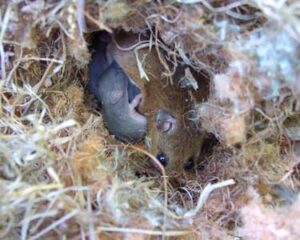
(Mouse with Baby, image from sialis.org)
How Rats Build Their Nests
Rats are skilled builders. They gather soft, flexible rat nest materials from inside the home.
Rats use teeth and claws to:
- Tear insulation
- Shred paper
- Pull fabric from storage
- Steal pet bedding
Nests stay hidden behind clutter or building materials. Walls, ceilings, and crawl spaces protect them from predators.
How to Detect Rat Nests Before They Spread
Early action helps detect rat nests before major damage starts. Look for:
- Sudden odors
- Noises at night
- Droppings in corners
- Entry holes near foundations
- Trails of shredded debris
Why Rat Nests Are Dangerous
A rat nest poses serious health and structural risks. Rats carry:
- Hantavirus
- Leptospirosis
- Salmonella
- Fleas and mites
Nests contaminate insulation, air ducts, and surfaces. Urine and droppings release airborne pathogens that affect indoor air quality.
Why DIY Nest Removal Fails
Many homeowners attempt rat nest removal without protection or proper tools. Disturbing a nest releases pathogens and triggers aggressive rat behavior.
Improper removal often leads to:
- Partial nest removal
- Rats relocating deeper
- Rapid reinfestation
- Increased damage
Nests connect to multiple tunnels and food sources. Eliminating one nest without sealing entry points never solves the problem.
Why Seattle Homes Face Higher Rat Nest Risk
Seattle’s mild climate allows rats to breed year-round. Moist soil, dense vegetation, and aging housing stock create perfect nesting conditions.
Areas near Lake Washington, Bellevue, Kirkland, Redmond, and coastal communities see high rodent activity due to rainfall and construction zones. Homes near greenbelts and drainage systems face increased pressure.
Frequently Asked Questions
How Long Does It Take Rats to Build a Nest?
Rats can build a functional rat nest in less than 24 hours. Rapid construction allows quick reproduction and population growth. New nests often appear within days after entry.
Warm insulation, wall voids, and stored clutter speed up the building process. Quiet spaces also allow nests to grow without disturbance.
Can a Single Rat Create Multiple Nests?
Yes, one rat can maintain several nests across different locations. Secondary nests serve as hiding zones and breeding backups.
Multiple nests help rats survive when one area becomes unsafe. This behavior makes infestations harder to eliminate.
Do Rat Nests Smell?
Yes, nests emit a strong ammonia-like odor due to urine buildup. Strong smells often signal large colonies hidden behind walls.
The odor becomes stronger as waste and nesting material collect. Lingering smells often spread through vents and insulation.
Will Rats Leave After Nest Removal?
Rats often stay unless access points are sealed. Rat nest removal must include entry point control and sanitation to prevent return.
The remaining rats will quickly rebuild if food and shelter are still available. Unsealed gaps allow new rats to move in.
Are Rat Nests Visible from Outside?
Outdoor nests may appear under decks or shrubs. Indoor nests remain hidden inside walls or crawl spaces. Thick vegetation and woodpiles often conceal outdoor nests. Indoor nests stay hidden until damage becomes visible.
Protect Your Home from a Rat Nest Today
A single rat nest can lead to a full-scale infestation in weeks. Early detection prevents costly damage and serious health risks.
Eastside Exterminators has protected families across the Greater Seattle area for over five decades. A legacy built on family values and advanced technology keeps homes safe inside and out. Local expertise paired with smart digital monitoring stops rodents before they spread.
Call Eastside Exterminators today to schedule an inspection and stop a rat nest before it threatens your home.