(425) 318-7912
 MY ACCOUNT
 425-318-7912
Pavement ant control is essential to the health and sanitation of your home. Don’t wait to call the professionals if you notice signs such as sand piles or trails indoors.
According to a review shared by the Entomological Society of America in Oxford Academic, ants make up approximately 2% of the world’s insect species, but their numbers are massive. There are over 14,000 species. Estimates put the total at over 20 quadrillion. Controlling them starts with understanding when to call for professional help.
How to Identify Pavement Ants
Pavement ants are one of the most common indoor ants. They get their name from where they’re found, including:
- Driveways
- Sideways
- Bricks
- Patios
- Porches
When pavement ants get inside, they can get into areas such as baseboards and the edges of tiled areas.
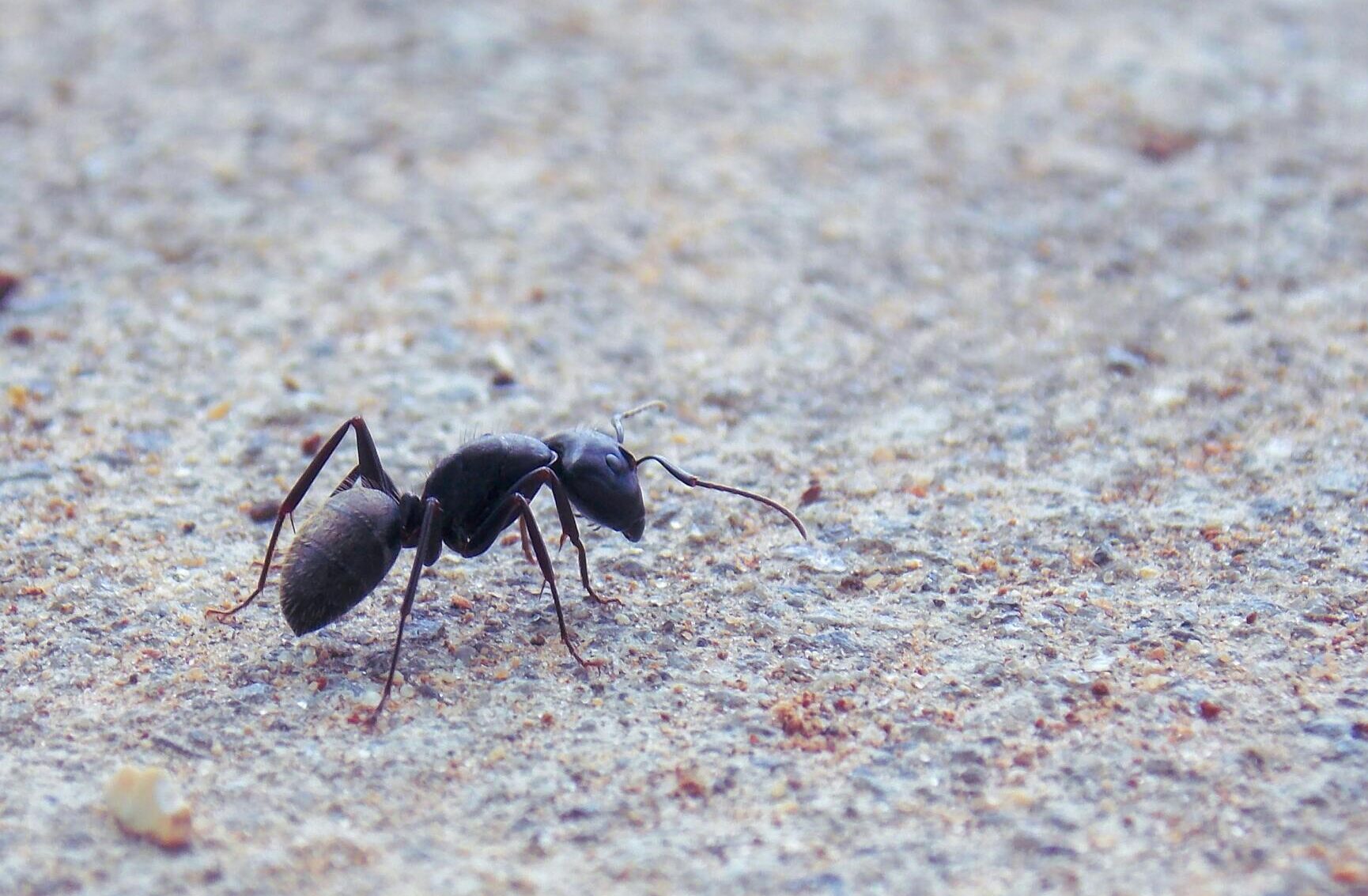
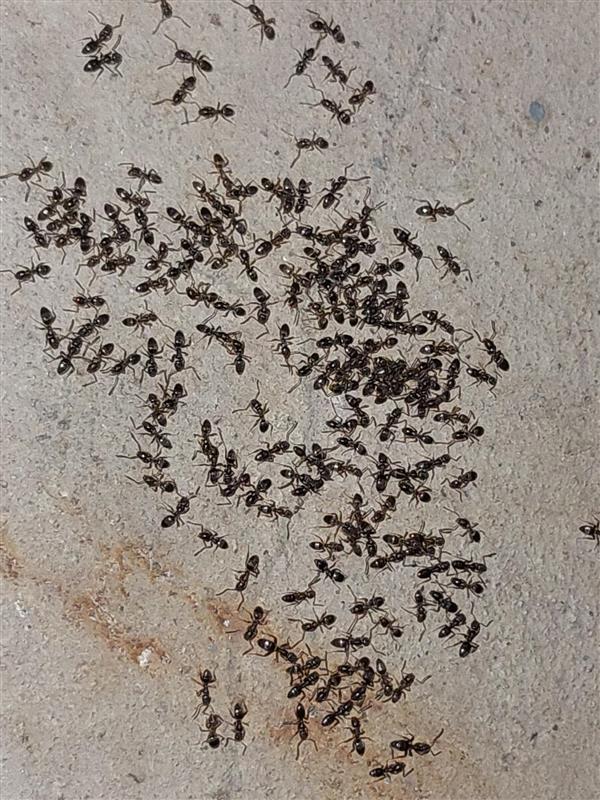
They’re small and black, around the size of sugar ants or odorous house ants, at 1/8 to 1/16 of an inch long.
They have two spines on the back and grooves on the head and thorax. Their head is as large or larger than their abdomen.
Pavement ants rarely bite or sting humans. They also don’t eat away at the structure of your home the way a termite or carpenter ant would.
They will eat your food. They’re indiscriminate eaters that will eat:
- Pet food
- Honeydew
- Dead insects
- Greasy foods
- Sweets
- Seeds
This introduces the potential for contamination by bacteria and viruses. This makes pavement ant control an essential health service.
Does Seeing One Ant Mean There Are More?
Ants rarely go out alone. Studies have shown that they’re highly social creatures that work together.
If you do see one lone ant, it could be a lost scout, but that’s not always the case. If you see them often, you probably have a colony in your home.
How Many Pavement Ants Are in a Colony?
Pavement ants can create large colonies. They can be made up of 3,000-4,000 individuals.
Each colony can have several queens. They can create trails up to 30 feet long.
Four Signs You Need Pavement Ant Control
Look inside and outside for signs of pavement ants. Check for trails or sand piles as well as individual ants, especially if they have wings.
1. Indoor Trails
Check for a trail of ants indoors.
It’s the first sign that they’ve scoped out your home as a potential food source. They’ve found a path to it and will keep foraging until it runs out.
2. Sand or Soil Piles
Pavement ants create sand or soil piles when they gather around your home. You may notice them around:
- Pavement cracks
- Foundations
- Baseboards
This indicates nesting activity.
3. Winged Ants Indoors
Noticing any ants inside is a sign to call for pavement ant control. However, the ones with wings are the most concerning.
Only reproductive males and females have wings. They’re one of the first signs of a nesting colony.
4. Ant Nests
Pavement ant nests look like a volcano-shaped mound of dust around pavements or driveways. When the colony makes them indoors instead of outdoors, they’ll be near heat sources and under floors or walls.
You may be able to follow a trail or an ant back to find the nest. If you have one, that could quickly develop into a pavement ant infestation.
Protecting Your Home from Ants
Prevention is key in all forms of pest control, including protecting your home from ants.
Know where the hotspots are. Do regular periodic checks around:
- Kitchens
- Bathrooms
- Windows and doors
- Cracks and walls
The most important way to discourage ants from coming to your house is to remove their food and water sources. This includes simple sanitation steps.
Store your food properly where the ants can’t get to it. Get rid of garbage quickly. Clean up spills and fix leaks because pavement ants love to congregate around wet, warm areas.
Seal off even the smallest potential entry points for pests. These include:
- Cracks
- Holes
- Gaps
- Damaged windows or doors
How to Eliminate Pavement Ants
The only way to truly keep them from coming back permanently is to hire a professional who knows how to eliminate pavement ants.
This starts by finding nests. Exterminators place bait near ant nests and follow the ants back to them.
They’ll also use transfer insecticide. It’s a specialized chemical that only pest control professionals can get.
Frequently Asked Questions
What Time of Day Are Pavement Ants Most Active?
Pavement ants go foraging at night. That’s when you’re most likely to spot them.
They’re also more likely to show up in the warmer seasons. They typically appear in June or July, but they can appear at different times of the year.
What Smell Do Ants Hate Most?
Ants use pheromone trails to communicate with each other about what to do and where to go. That’s why they don’t like strong smells that throw off these essential methods of communication.
The smells they dislike the most include:
- Peppermint oil
- Vinegar
- Lemon
- Cinnamon
Using these scents can be a helpful preventative method to discourage them from coming to your house. It’s an effective way to start with eco-friendly pest control.
Will Ants Leave If I Keep Killing Them?
No, this doesn’t always work.
Don’t kill individual ants. It can cause them to release alarm pheromones, alerting the colony to trouble. Research by Hart et al. found that living members rush to the dead one, especially the older ants. That can have an infestation on your hands.
This is why it’s so important to get professional pest control for pavement ants. They can eliminate the entire colony. They can also keep them from returning.
Get Pest Control for Pavement Ants Today
Signs you need pavement ant control include sand piles or nests and clear trails or winged ants indoors.
Eastside Exterminators is a nationally certified company that’s been providing pest control to the Greater Seattle area since 1969. Our mission is to protect homes and create safer environments for the community.
We use advanced solutions to make pest control efficient and sustainable. This helps prevent problems before they arise with state-of-the-art equipment.
Contact us today for pavement ant removal.