(425) 318-7912
 MY ACCOUNT
 425-318-7912

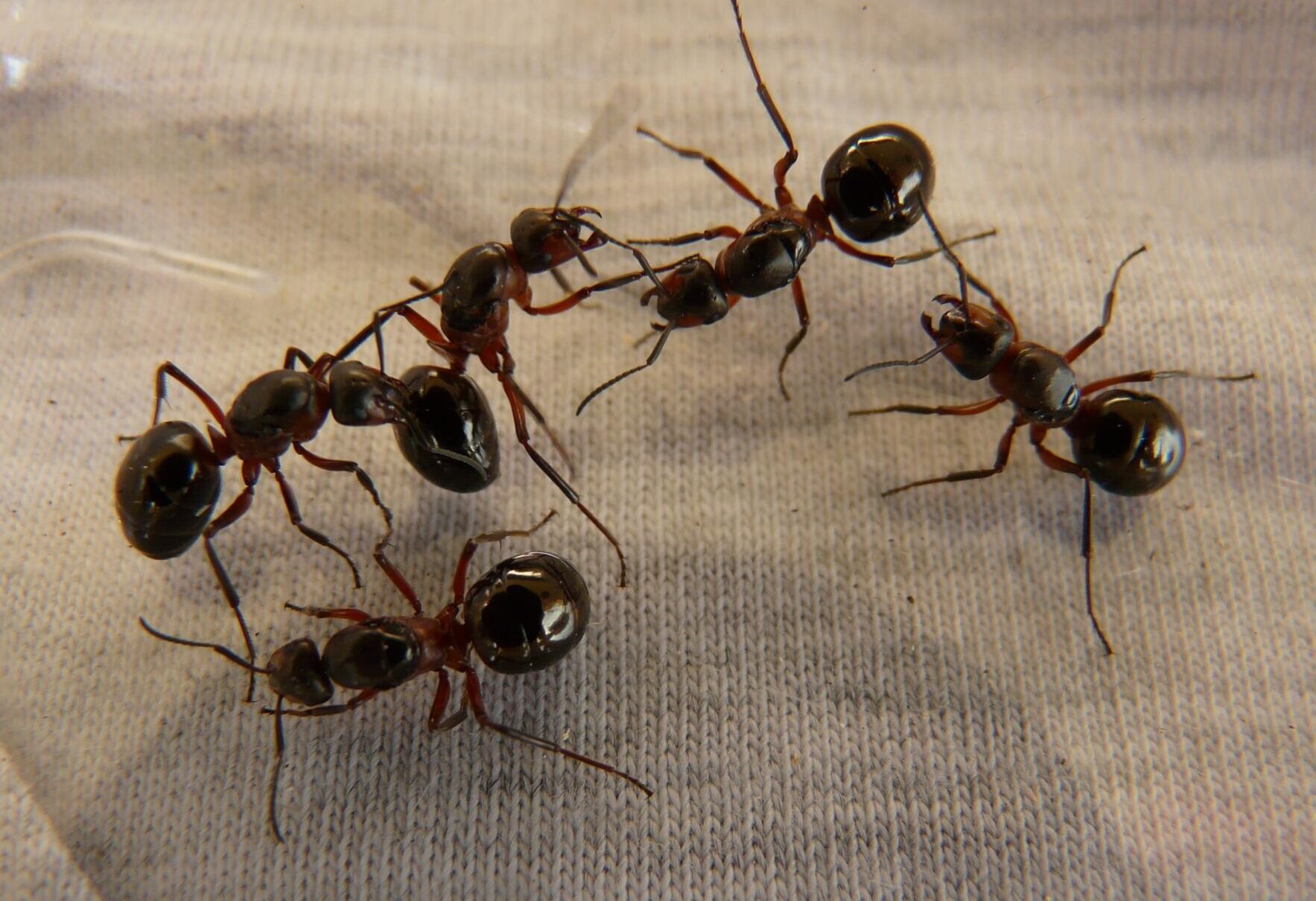
Recurring carpenter ant infestation often results from an undiscovered parent nest and accessible food sources nearby. Ongoing problems also include uncorrected moisture issues and untreated satellite nests hidden within structures. Easy access points, unremoved debris, and delayed or inconsistent treatments allow colonies to reestablish.
According to YouGov, about 80% of Americans report seeing ants, flies, or spiders inside their homes. As one of these homeowners, you may struggle to eliminate carpenter ants for long periods. You test multiple products, yet the ant activity fades before reappearing weeks later indoors.
Understanding why the infestation returns reveals hidden causes that drive continued ant activity. Clear insights help you take informed steps that reduce reinfestation risks and support long-term protection.
How to Locate a Carpenter Ant Nest?
Finding a carpenter ant nest requires patience, careful observation, and subtle activity signs. Ants may move in predictable paths inside your home, especially during quiet evening hours, along:
- Edges
- Wires
- Beams
- Baseboards
- Door frames
Rustling sounds inside walls may also indicate nesting activity, particularly near damp or damaged wood. Outdoor nests often hide in stumps, fallen logs, or in soil close to foundations.
How Do You Know If You Have a Carpenter Ant Infestation?
Signs of a carpenter ant infestation include:
- Large black ants
- Ants’ activity at night
- Small wood shavings
- Winged ants indoors
- Rustling inside walls
- Damaged wood surfaces
If you notice these signs, check nearby wood for moisture or damage. Consider contacting a professional for a thorough carpenter ant removal. Early action helps prevent the colony from spreading and causing structural damage.
Common Causes Behind Recurring Carpenter Ant Infestations
Carpenter ants can cause severe structural damage when their nesting spreads through wooden framing over time. A recurring ant problem continues because surface treatments ignore deeper causes. Understanding why ants return provides you clarity that leads to lasting control decisions.
Undiscovered Parent Nest
Parent nests often remain hidden deep inside:
- Walls
- Trees
- Structural wood
- Roof beams
- Crawl spaces
Visible ants usually come from satellite nests tied to a larger colony. Killing worker ants rarely affects reproduction if the main nest remains active.
Professional carpenter ant removal focuses on locating and treating the parent nest directly. Eliminating the source reduces colony recovery and limits repeated indoor activity.
Accessible Food Sources
Carpenter ants continuously forage and adjust when food sources remain easily reachable. Indoors, ants are drawn to:
- Crumbs
- Pet food
- Grease
- Sugary spills
- Leftover snacks
- Open pantry items
Outdoor food sources also attract ants, including fallen fruit, garbage bins, and nearby insect populations. Effective ant infestation solutions combine limiting food access with proper treatment methods. Reducing attractants lowers foraging pressure and gradually weakens the colony’s survival over time.
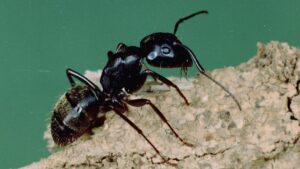
(Black Carpenter Ant, image from bugwood.org)
Easy Access Points
Small cracks and gaps offer carpenter ants simple entry routes into homes. Utility lines, siding damage, and window gaps often go unnoticed over long periods.
Once ants establish trails, they consistently reuse them. Sealing entry points reduces movement between outdoor and indoor nests. Structural upkeep plays a key role in reducing repeated invasions.
Uncorrected Moisture Issues
Moisture issues create ideal conditions for carpenter ants to nest inside homes. Leaks, condensation, or poor drainage gradually soften wood, allowing ants to easily excavate tunnels. Hidden sources often appear in the following areas:
- Bathrooms
- Basements
- Kitchens
- Around plumbing fixtures
- Crawl spaces
- Attics
Standing water near foundations, or clogged gutters, also attracts ants and promotes colony growth. Accurate pest infestation insights show repeated ant problems often tie to unresolved moisture. Addressing these water issues helps make homes less inviting and reduces long-term infestation risks.
Unremoved Attractants/Debris
Outdoor debris creates an inviting shelter close to your home’s exterior. Nearby nesting activity is supported by:
- Woodpiles
- Mulch
- Leaf litter
- Old stumps
- Fallen branches
- Compost piles
Ants often migrate indoors when outdoor conditions change, or food sources decrease. Cleaning surrounding areas reduces nesting pressure around structures. Making environmental adjustments helps achieve longer-lasting control results.
Delayed or Inconsistent Treatment
Gaps between treatments give carpenter ant colonies time to recover and expand unnoticed. Inconsistent or partial efforts often hide ongoing infestation growth and reduce control effectiveness. Seasonal activity changes may create false confidence when ant activity slows during colder months.
Preventive pest control helps break the colony’s cycle through:
- Regular timing
- Monitoring
- Follow-up care
- Inspection
- Habitat management
DIY efforts often provide only temporary relief. Working with experts like Eastside Exterminators helps identify likely causes. Our team guides treatment and offers eco-friendly, affordable solutions for lasting carpenter ant removal.
Frequently Asked Questions (FAQs)
Can Pets or Wildlife Bring Ants Indoors?
Pets and wildlife may carry ants indoors while exploring yards or gardens. Animals may disturb outdoor nests, prompting ants to follow food trails into the homes. Pet food left outside can attract foraging ants close to entrances.
Birds, rodents, and squirrels may also move ant colonies or attract worker ants in the vicinity. Monitoring animal activity and keeping food contained outdoors reduces the risk of ants entering living spaces.
Are Natural Remedies Effective Against Carpenter Ants?
Natural remedies, like vinegar, essential oils, or diatomaceous earth, may kill some worker ants. These methods rarely reach the main nest or eliminate colonies.
Ant activity often returns after a short period, leaving the infestation unresolved. Natural treatments work best as a supplemental measure alongside professional carpenter ant removal.
Can Temperature Extremes Reduce Ant Activity?
Carpenter ant activity slows during extreme cold or heat, limiting visible indoor movement. Ants retreat deeper into walls, soil, or nests when temperatures drop. High heat may force colonies to seek shaded, cooler locations outdoors.
Seasonal changes can create false impressions that infestations have ended. Effective control requires consistent monitoring and treatment, even when the ant activity appears low.
Carpenter Ant Infestation: Hire Pest Control Experts to Protect Your Home
A carpenter ant infestation often returns when nests, moisture, or food sources remain unchecked. Understanding the causes and addressing them can help prevent repeated infestations and property damage.
At Eastside Exterminators, we offer carpenter ant removal, preventive pest control, and inspection services. We have been operational since 1969, bringing over five decades of experience protecting homes.
We provide 24/7 monitoring and real-time solutions to stop pest activity before it spreads. Contact us today to schedule an inspection and keep your home safe from carpenter ants.